








10 Best Lat Pulldown Variations for Maximum Back Growth
A well-developed back requires more than just pulling heavy weight. Different lat pulldown variations allow you to adjust your grip, pulling angle, and movement pattern to target different areas of your back.
From wide grip pulldowns for building back width to close grip and neutral grip variations for improving thickness, choosing the right lat pulldown exercise variations can help you create a stronger and more balanced back.
What Is a Lat Pulldown and What Muscles Does It Work?
The lat pulldown is a cable-based pulling exercise that primarily targets the latissimus dorsi (lats), the large muscles responsible for creating a wider V-shaped back.
It also works the rhomboids, trapezius, rear delts, and biceps, making it one of the most effective exercises for upper-body pulling strength.
By changing your grip and attachment, different lat pulldown grip variations can emphasize different areas of the back and help you achieve specific training goals.
10 Best Lat Pulldown Variations
1. Wide Grip Lat Pulldown
The wide grip lat pulldown is one of the most popular variations for developing back width. A wider hand position increases the focus on the lats and helps create the V-taper appearance by emphasizing the outer portion of the back.
Keep your chest lifted and pull the bar toward your upper chest while avoiding excessive body movement. This variation is especially useful for lifters who want a broader-looking back.

2. Close Grip Lat Pulldown
The close grip lat pulldown allows a longer range of motion and creates a stronger contraction through the lower lats and middle back.
Because your elbows travel closer to your body, this movement often feels more natural and allows you to use heavier resistance while maintaining control.

3. Neutral Grip Lat Pulldown
The neutral grip lat pulldown uses a palms-facing position that places the shoulders in a more natural alignment.
This variation is a great choice for beginners and lifters who want effective lat training with less shoulder stress. It also provides balanced activation across the lats, rhomboids, and upper back.

4. Reverse Grip Lat Pulldown
The reverse lat pulldown uses an underhand grip with your palms facing toward you.
This grip increases biceps involvement while allowing strong activation of the lower lats. It is a useful variation for improving pulling strength and adding more variety to your back workouts.

5. Single Arm Lat Pulldown
Single arm lat pulldowns allow you to train each side of your back independently, helping improve muscle balance and develop better mind-muscle connection.
Using a single D handle also allows a more natural pulling path, making it easier to focus on squeezing each lat through the movement.

6. Straight Arm Lat Pulldown
The straight arm lat pulldown is different from traditional pulldown movements because it keeps the arms nearly straight throughout the exercise.
By reducing biceps involvement, it allows you to focus almost entirely on lat activation and improving control of the back muscles.
7. Behind-the-Neck Lat Pulldown
The behind-the-neck lat pulldown is an advanced variation that requires good shoulder mobility and proper technique.
While some lifters use this movement to change their training stimulus, most people can achieve similar benefits with safer front-facing pulldown variations.
8. V-Bar Lat Pulldown
The V-bar lat pulldown uses a close neutral grip, combining the benefits of close grip and neutral grip training.
This variation allows strong contraction at the bottom of the movement and is effective for developing overall back strength and thickness.
9. Kneeling Lat Pulldown
The kneeling lat pulldown changes your body position to encourage stricter movement and better control.
By reducing momentum, this variation helps improve lat activation and allows you to focus on the pulling motion rather than simply moving weight.
10. Resistance Band Lat Pulldown
The resistance band lat pulldown is a convenient alternative when traditional gym equipment is unavailable.
Although the resistance feels different from a cable machine, it can still help maintain pulling strength and train the back at home.
How to Choose the Right Lat Pulldown Variation for Your Back Training Goals
Different lat pulldown variations create different training effects. Instead of choosing exercises randomly, select movements based on your back development goals.
| Goal | Recommended Variations | Main Focus |
|---|---|---|
| Build back width | Wide Grip Lat Pulldown, Single Arm Lat Pulldown | Lat width and V-taper |
| Build back thickness | Close Grip Lat Pulldown, V-Bar Lat Pulldown | Mid back and lower lats |
| Improve muscle balance | Single Arm Lat Pulldown | Individual lat activation |
| Beginner-friendly training | Neutral Grip Lat Pulldown | Control and comfort |
Which Lat Pulldown Variations Build a Wider or Thicker Back?
Not every pulldown variation creates the same visual effect. Your choice of grip and movement style can influence whether you focus more on back width or back thickness.
Lat Pulldown Variations for a Wider Back
If your goal is to create a wider V-shaped back, focus on exercises that emphasize the latissimus dorsi.
Wide Grip Lat Pulldown
The wide grip lat pulldown is commonly used for improving back width because it places greater emphasis on the outer lats. It helps build the broad appearance that many lifters look for.
Single Arm Lat Pulldown
Single arm variations allow you to focus on fully stretching and contracting each lat individually, improving activation and helping develop a more balanced back.
Straight Arm Lat Pulldown
This movement isolates the lats by minimizing arm involvement, making it useful for improving lat control and creating a stronger connection with the muscle.
Lat Pulldown Variations for a Thicker Back
For a thicker back, choose variations that involve more of the middle back muscles, including the rhomboids and trapezius.
Close Grip Lat Pulldown
The closer grip allows a stronger contraction and greater elbow drive, helping develop overall back density.
Neutral Grip Lat Pulldown
The neutral grip provides a balanced pulling pattern that targets both the lats and middle back while allowing controlled heavy training.
V-Bar Lat Pulldown
The V-bar attachment encourages a strong squeeze at the bottom position, making it a great option for building thickness and strength.
When to Use Different Lat Pulldown Variations in Your Training Program
The best time to use each variation depends on your workout structure.
For the beginning of your back workout, use heavier movements such as wide grip or close grip pulldowns when your strength levels are highest.
During the middle of your workout, combine different lat pulldown grip variations to increase training volume and target different areas of the back.
At the end of your workout, isolation movements such as straight arm pulldowns or single arm variations can help improve muscle connection and finish with controlled repetitions.
Common Lat Pulldown Mistakes to Avoid
Even simple technique mistakes can reduce lat activation and limit your back growth. Avoid these common errors to get better results from your lat pulldown workouts.
Using Too Much Momentum
Swinging your body to lift heavier weight reduces back activation and shifts more work to your arms. Keep your torso stable and use controlled movements.
Choosing Too Much Weight
Using excessive weight makes it harder to maintain proper form and fully contract your lats. Choose a weight from a Pin-loaded machine that allows controlled repetitions.
Pulling Behind the Neck Incorrectly
Behind-the-neck lat pulldowns may place extra stress on the shoulders if performed incorrectly. Front-facing variations are usually a safer option for most lifters.
Relying Too Much on Your Arms
The biceps assist during pulldowns, but your back should drive the movement. Focus on pulling your elbows down instead of only using your hands.
Not Using a Full Range of Motion
Avoid short repetitions that limit muscle stretch and contraction. Allow your arms to extend fully and control the movement through each rep.
Shrugging Your Shoulders
Raising your shoulders during the exercise reduces lat engagement. Keep your chest up and shoulders down throughout the movement.
Ignoring Grip Variations
Using only one grip limits back development. Try different lat pulldown grip variations, including wide grip, close grip, neutral grip, and reverse lat pulldown, to target your back from different angles.
FAQs
1. Which lat pulldown variation is best?
The best variation depends on your goal. Wide grip pulldowns are excellent for back width, while close grip and neutral grip variations are better for overall thickness and strength.
2. How many lat pulldown variations should I include in a workout?
Most people benefit from including 2–3 lat pulldown variations in a back workout. Choose exercises based on your training goal rather than performing too many similar movements.
3. Is a thumbless grip better for the back?
A thumbless grip may help some lifters feel better lat engagement, but it does not automatically activate the back more. Focus on proper form and controlled movement.
4. Is lat pulldown better than pull-ups for back growth?
Both exercises are effective. Lat pulldowns allow adjustable resistance, making them easier to progress, while pull-ups improve bodyweight strength and control.
5. Can I do lat pulldowns without a cable machine?
Yes, alternatives like resistance bands can work, but a cable machine provides smoother resistance, adjustable weight, and more exercise options for different lat pulldown variations.
Conclusion
Lat pulldowns are one of the most versatile exercises for developing a stronger, wider, and more muscular back. By using different lat pulldown variations, grips, and attachments, you can target different areas of your back and continue making progress.
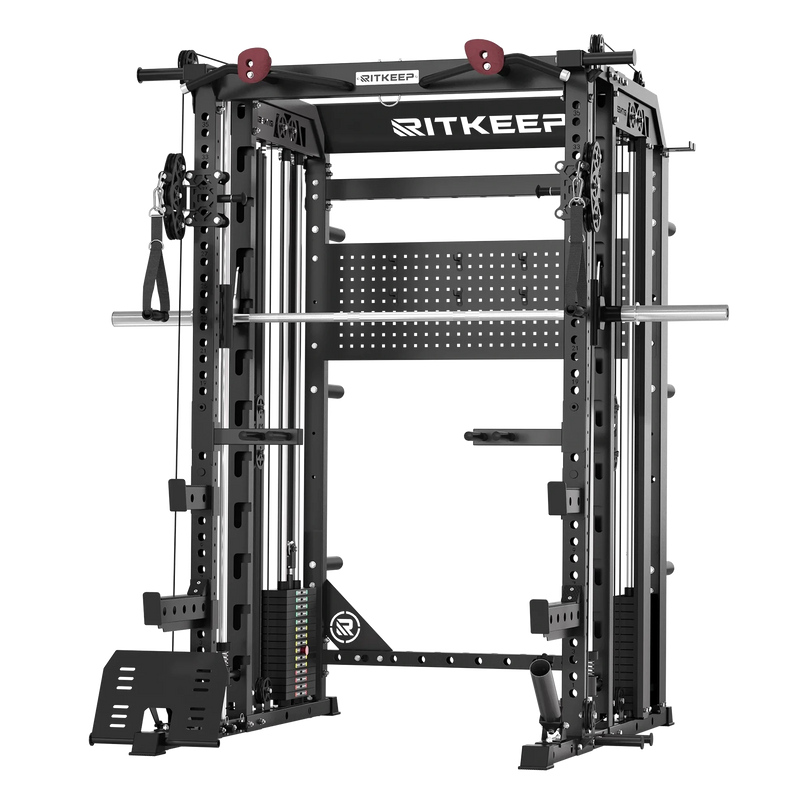
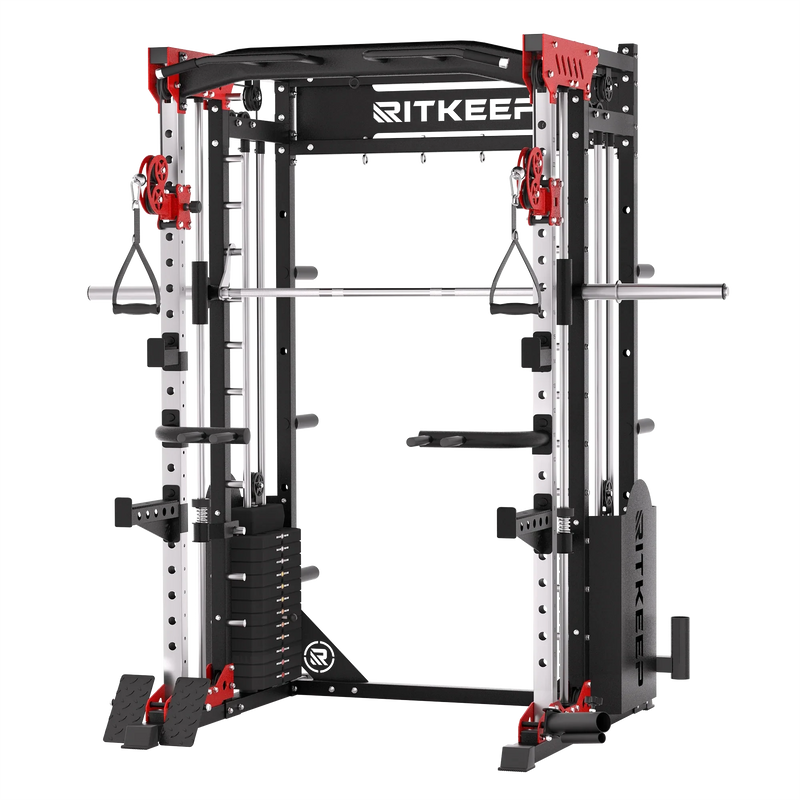
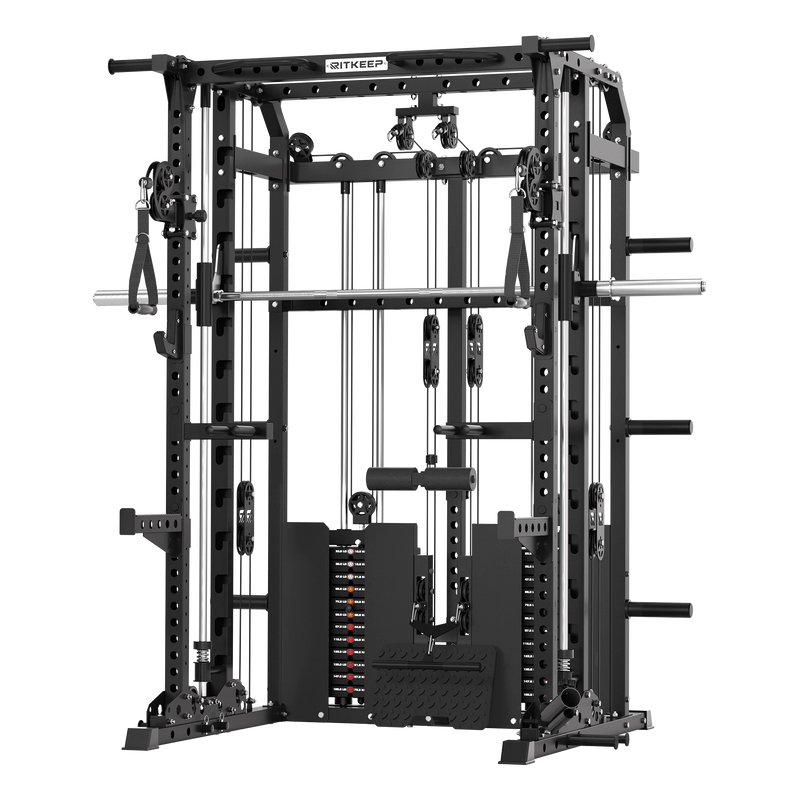
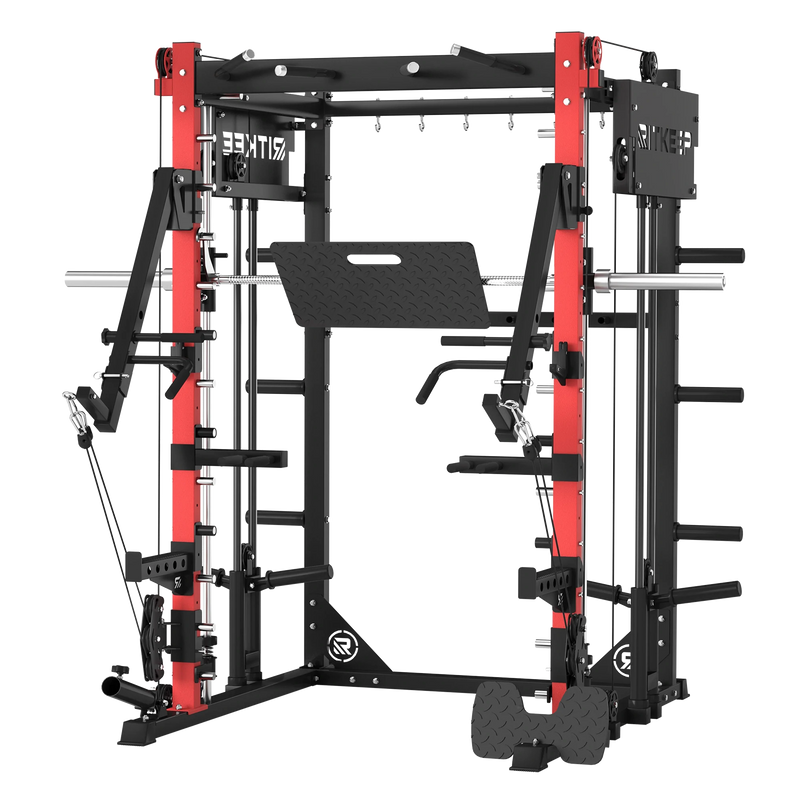
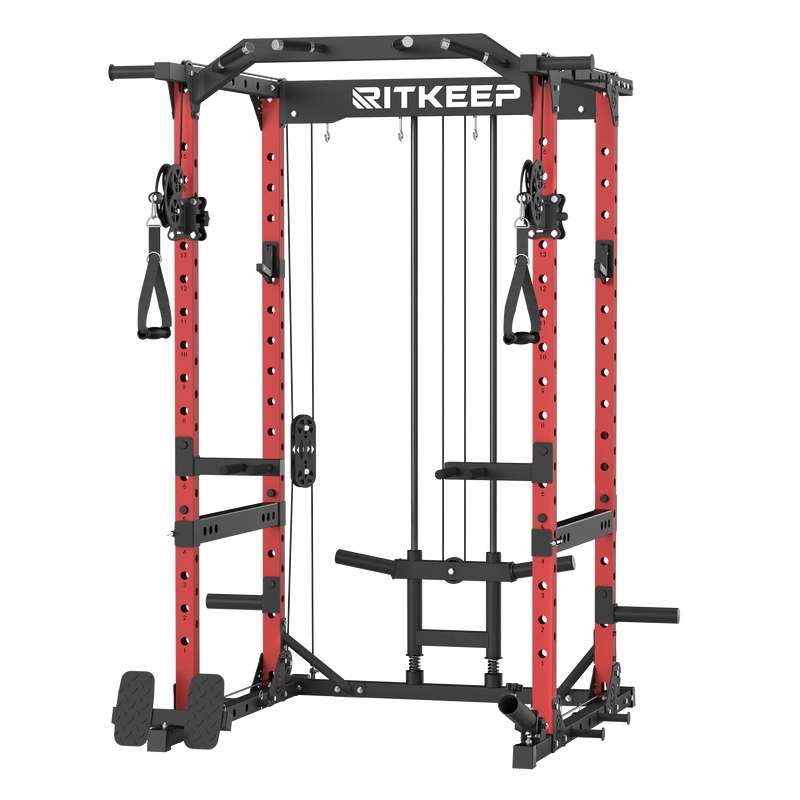
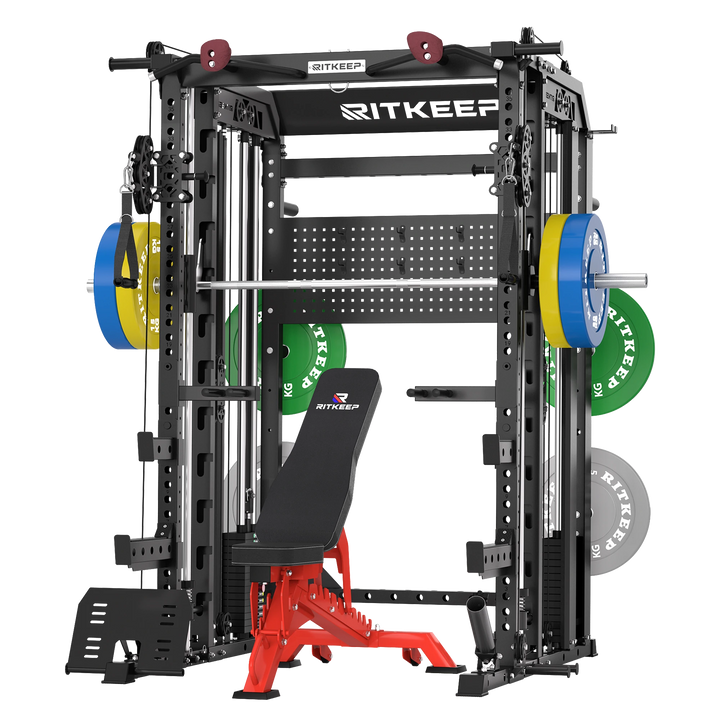
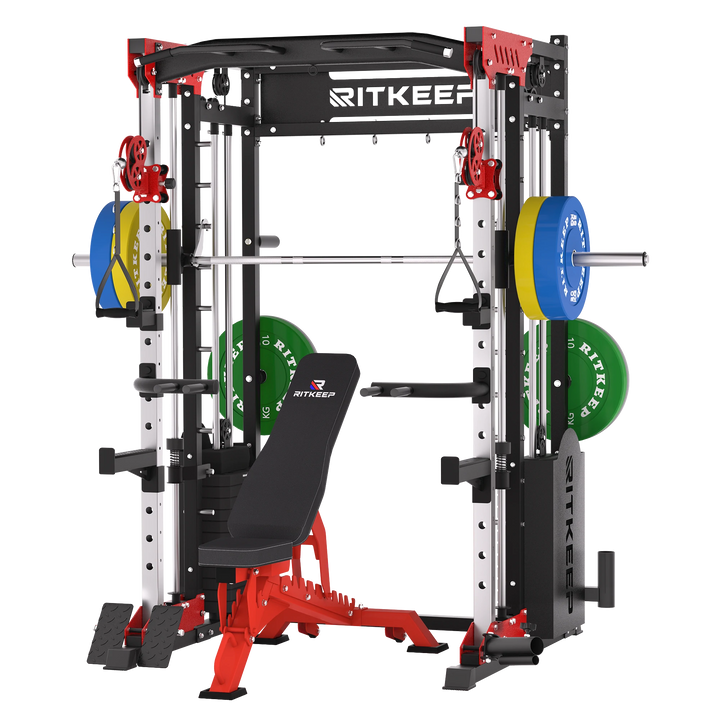
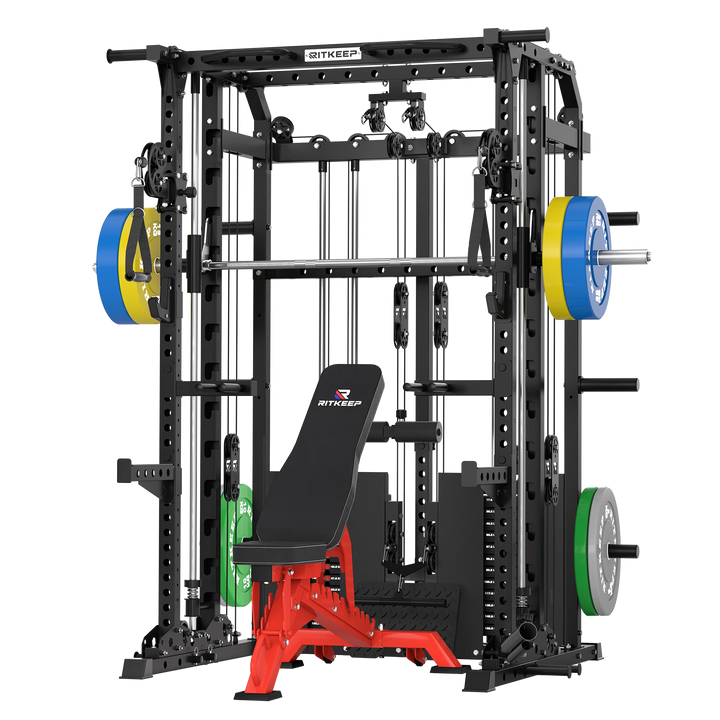
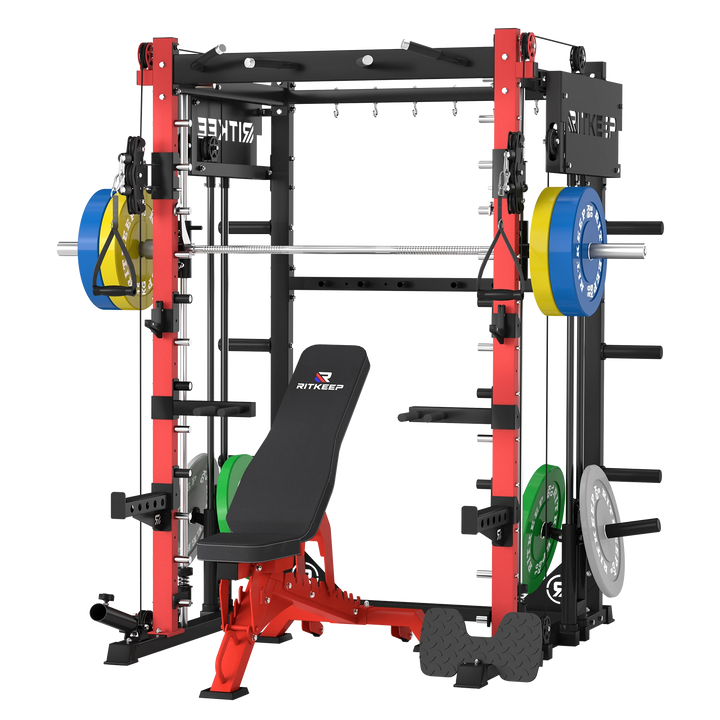
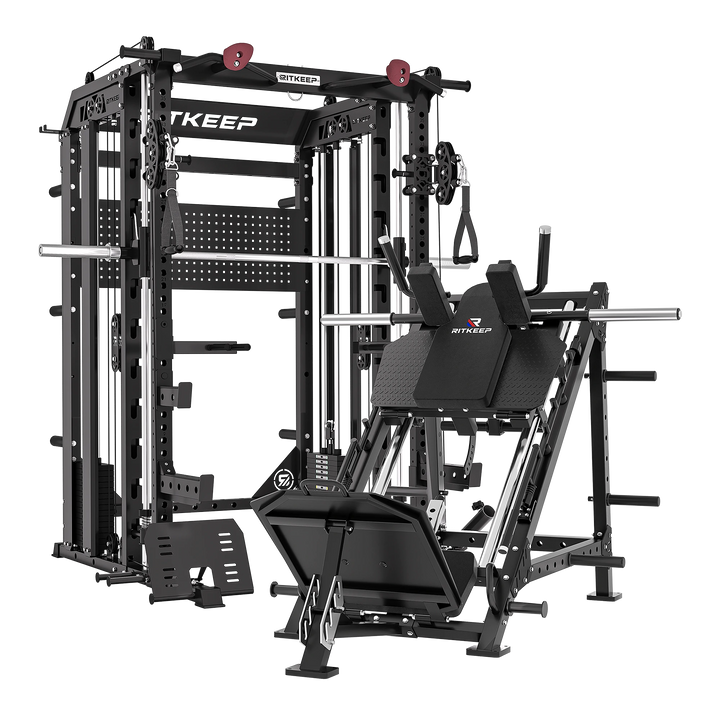
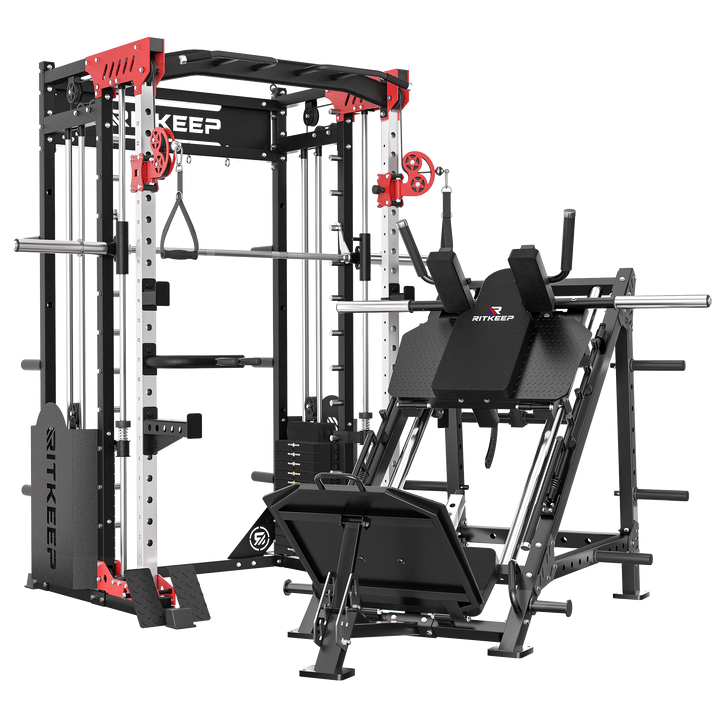
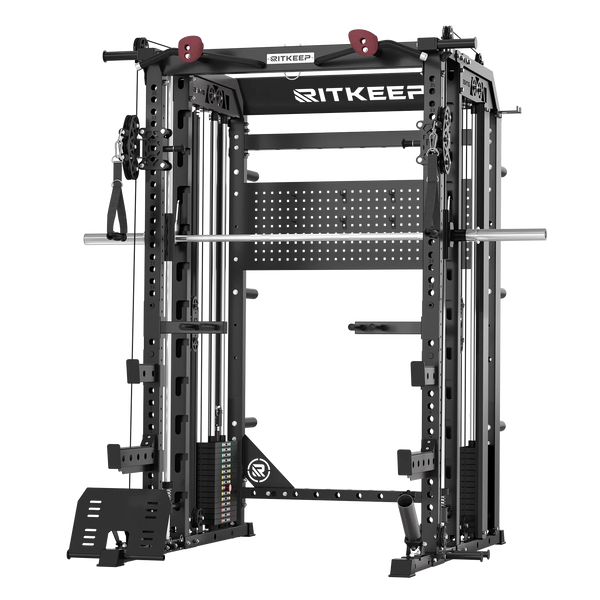
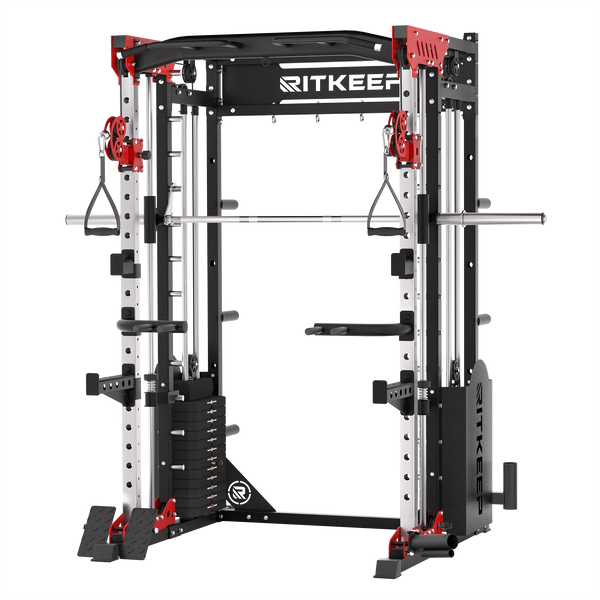
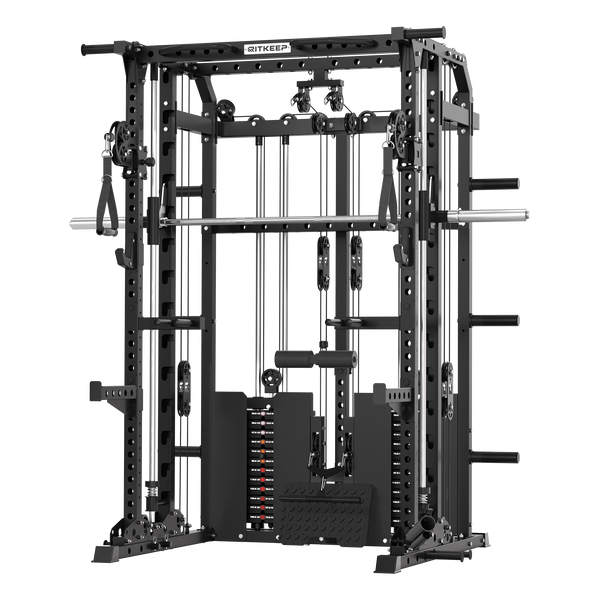
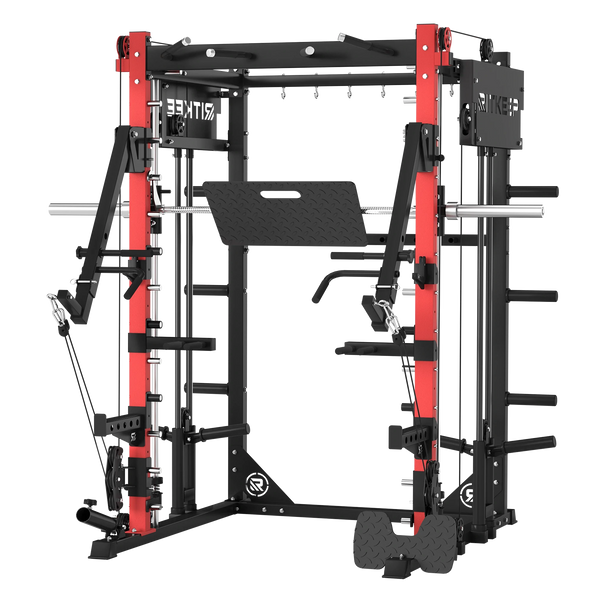
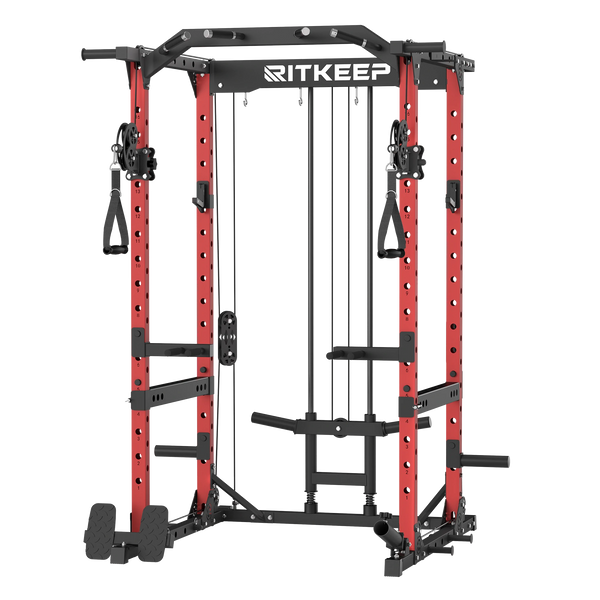
Whether your goal is building back width, improving thickness, or creating a balanced physique, choosing the right equipment can make your training more effective. With a home gym system like a RitKeep Fitness power rack with cable system or functional trainer, you can perform a wide range of lat pulldown variations and other cable exercises in one compact setup.
References
-
NASM – Biomechanics of the Lat Pulldown
Explains lat pulldown biomechanics, muscle activation, and how grip variations affect training. -
Wikipedia – Pull-down Exercise
Provides an overview of the pull-down exercise, including movement basics and muscle involvement. -
Men's Health – Lat Pulldown Guide
Covers proper lat pulldown form, common mistakes, and practical training tips.