




Chest Supported Row: Muscles Worked, Form & Variations Guide
When it comes to building a thick, powerful back, rows are non-negotiable. However, traditional free-weight rows like the bent-over barbell row often come with a major bottleneck: lower back fatigue. If your lumbar spine or hamstrings give out before your lats do, you are leaving serious muscle growth on the table. Enter the chest supported row. By anchoring your torso against a solid pad, this movement eliminates lower back strain and allows you to isolate your back muscles with maximum intensity. In this ultimate guide, we'll break down everything you need to know about this game-changing exercise.
What Is a Chest Supported Row?
A chest supported row (also widely referred to as a chest assisted row or support row) is a variation of the classic rowing motion where your torso remains firmly pressed against a pad or incline weight bench. This simple modification completely removes the need for your core and lower back to stabilize your body weight against gravity. Whether performed as a chest supported row machine variation or using free weights, the mechanics remain focused purely on bringing your elbows past your torso to contract the upper and mid-back without any bodily swaying.
What Muscles Do Chest Supported Rows Work?
Understanding the chest supported row muscles worked helps you appreciate why this exercise is a staple for bodybuilders and powerlifters alike.
- Latissimus Dorsi (Lats): The primary driver when pulling your elbows down and back, giving you that coveted V-taper.
- Rhomboids and Middle Trapezius: Located in the center of your upper back, these muscles are heavily taxed during the squeeze phase, building raw back thickness.
- Rear Deltoids: The back of your shoulders plays a massive role in pulling the weight, especially with wider grip variations.
- Brachialis and Biceps: Your arm muscles act as secondary movers to flex the elbow and complete the pulling motion.

Chest Supported Row vs. Traditional Rows: Differences & Benefits
Traditional rows require your entire posterior chain to work statically just to hold you in position. While great for functional strength, it limits how much weight your upper back can actually handle. A supported row strips away the stabilization requirements, allowing you to achieve pure hypertrophy and target specific muscle fibers with laser precision.
Comparison Table
| Feature / Metric | Chest-Supported Row | Traditional Rows |
|---|---|---|
| Target Muscles | Upper & Mid-Back, Lats, Rear Delts | Entire Back, Glutes, Hamstrings, Core |
| Lower Back & Core Stress |
Minimal (Torso is completely braced) |
High (Requires constant isometric bracing) |
| Stability & Force Production |
Maximum (High stability allows for higher force output) |
Medium (Core fatigue can limit back output) |
| Cheating / Momentum Risk |
Very Low (Chest pad prevents rocking) |
High (Easy to use momentum from the hips) |
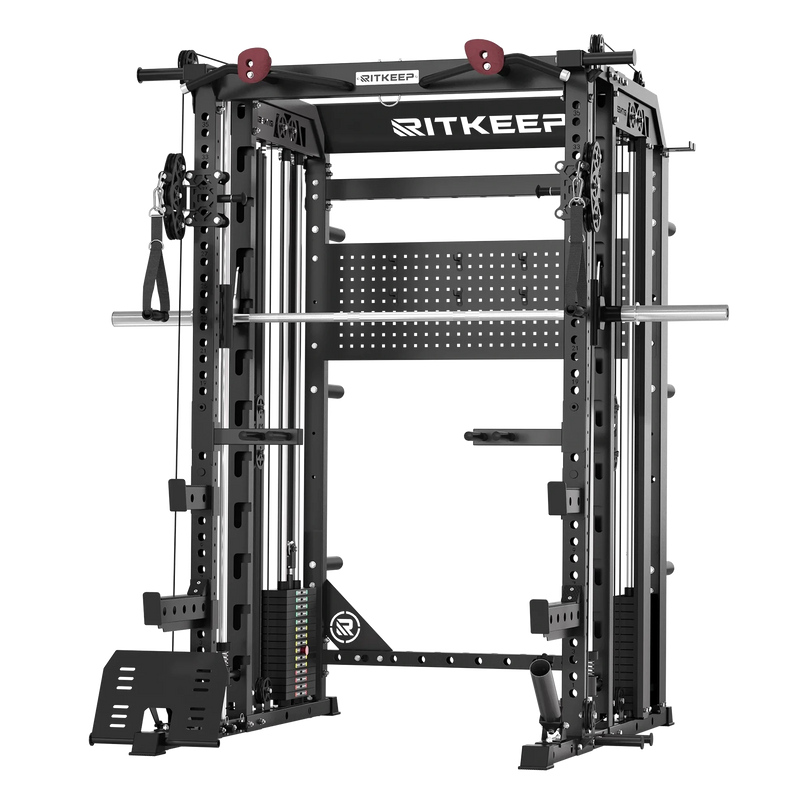
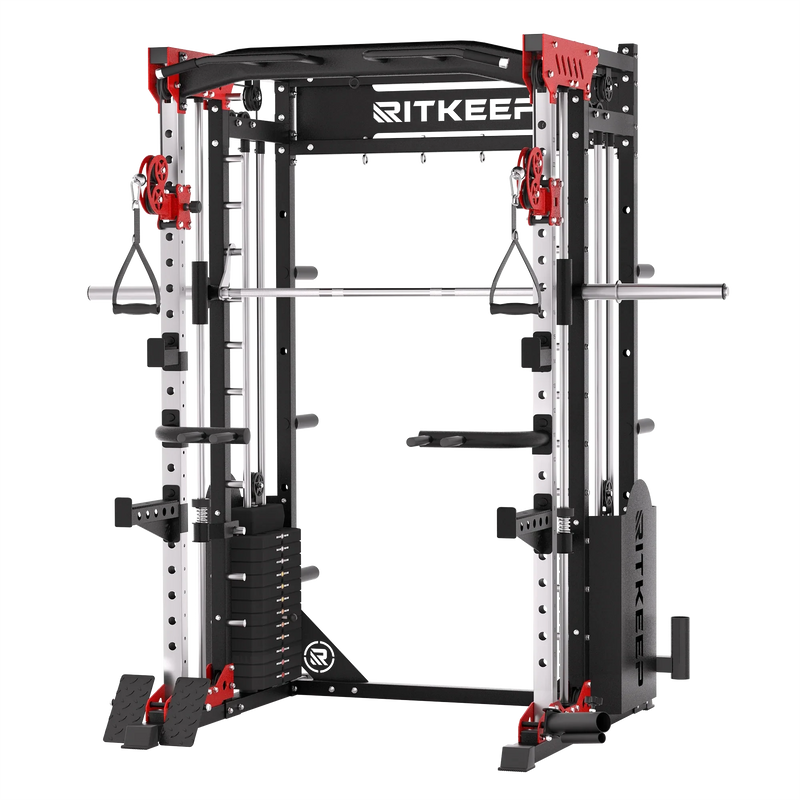
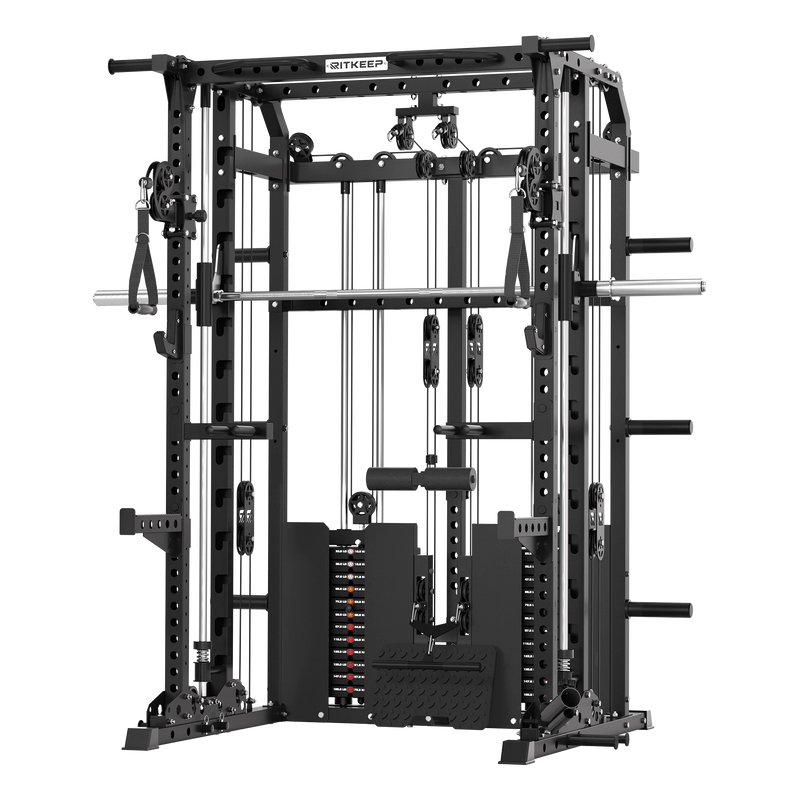
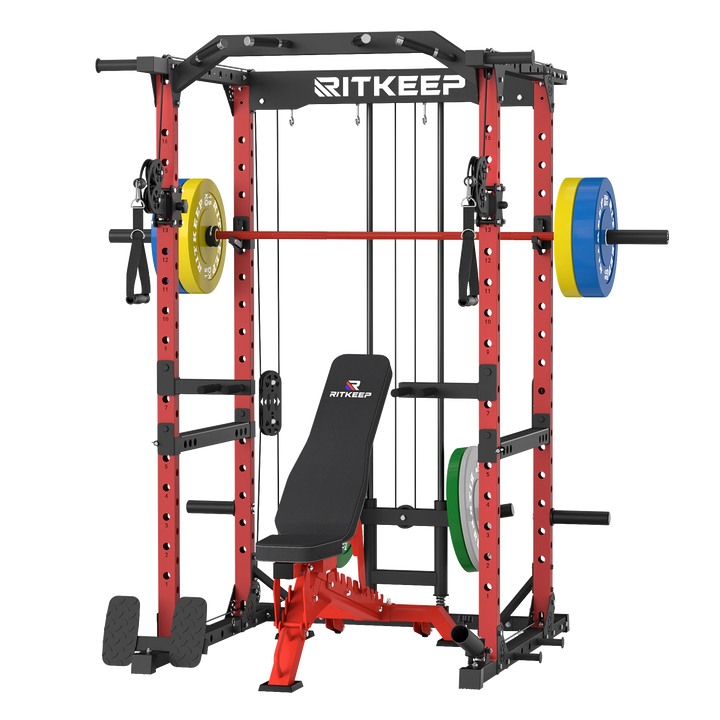
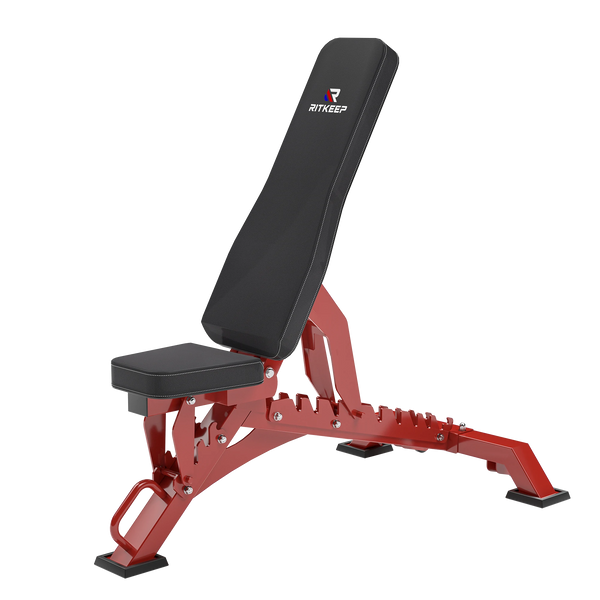
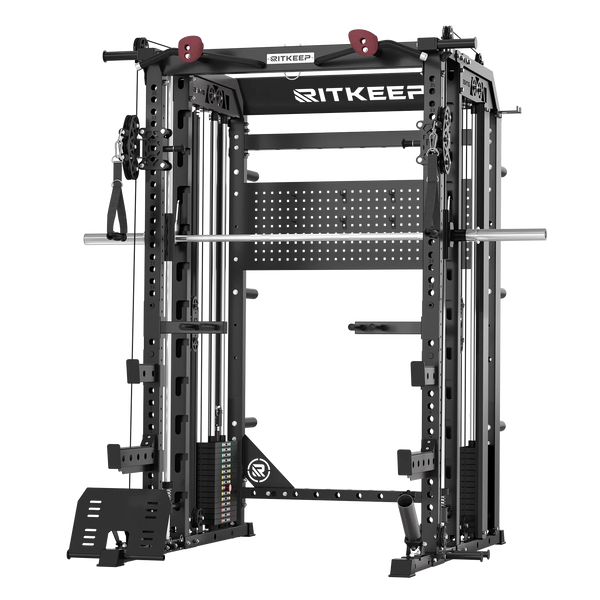
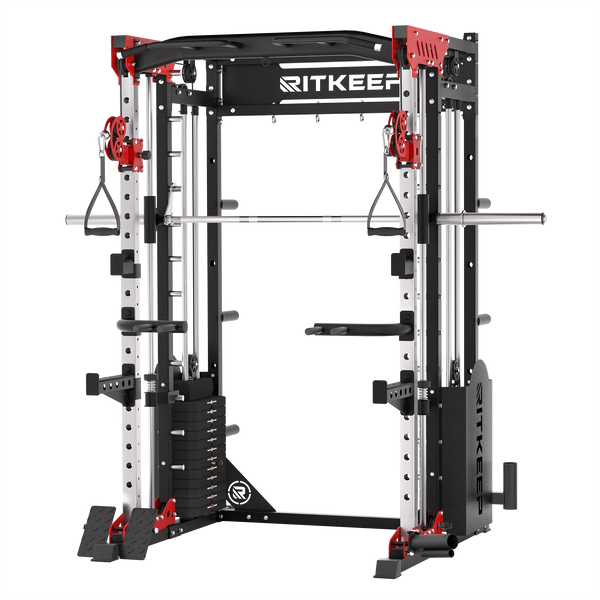
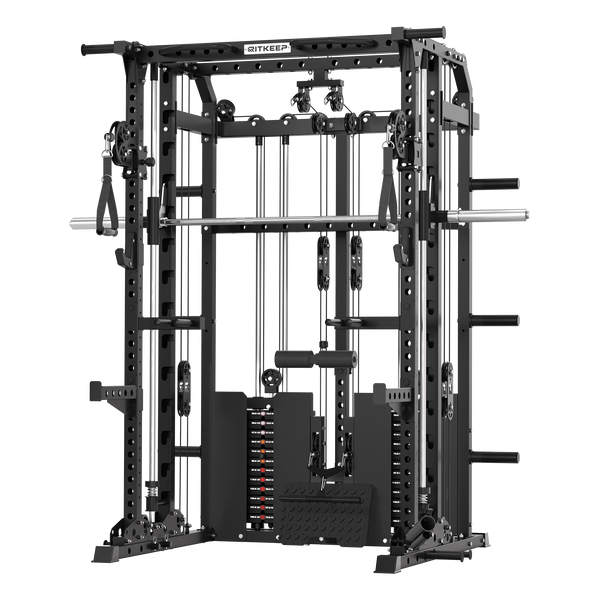
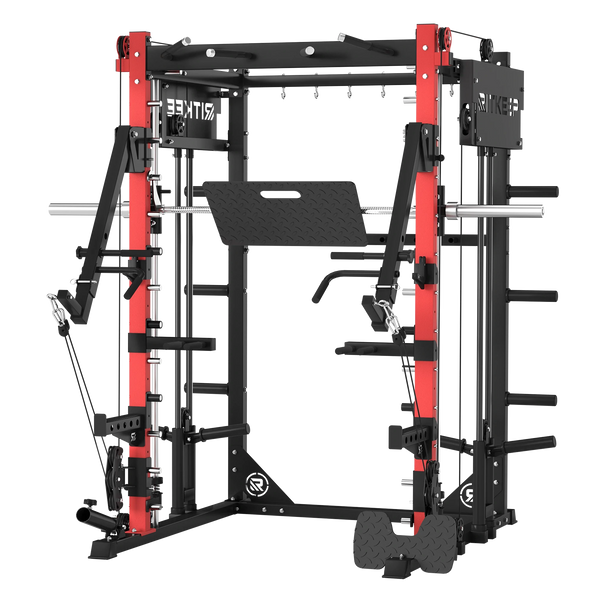
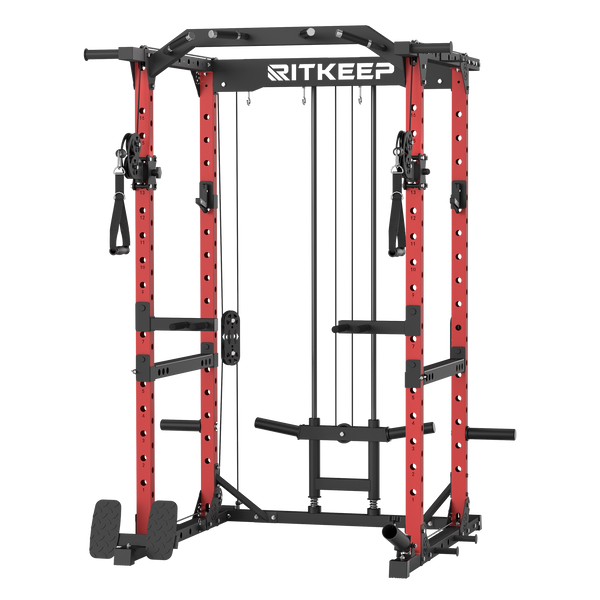
| Equipment Needed | Incline Weight Bench + Dumbbells / Smith Machine / Power Rack with Pulley | Olympic Barbell + Weight plates / Dumbbells |
Chest Supported Row Benefits
- Complete Spinal Safety: By removing axial loading from the spine, it is the perfect choice for anyone recovering from a lower back injury.
- Laser-Focused Hypertrophy: Absolute stability means better mind-muscle connection. Your back handles 100% of the load.
- No Room for Cheating: You cannot use your hips or legs to swing the weight up, forcing perfect form on every single repetition.
How to Do a Chest Supported Row Correctly?
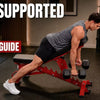
To get the most out of this movement, you must execute it with precision. Set up an incline bench to roughly 30 to 45 degrees. Grab your weights, lie face down with your feet firmly planted on the floor, and let your arms hang straight down. Initiate the movement by driving your elbows back toward your hips, squeezing your shoulder blades together at the peak, and slowly lowering the weight back to the starting position.
5 Tips to Maximize Back Activation on Chest-Supported Rows
- Drive with Your Elbows: Do not just pull with your hands. Imagine your hands are merely hooks and focus entirely on driving your elbows toward the ceiling.
- Keep Your Shoulders Down: Avoid shrugging at the top. Keep your shoulders depressed to keep the tension on your lats and rhomboids rather than your upper traps.
- Control the Negative: The eccentric phase is where massive muscle growth happens. Lower the weight under control for a full 2–3 seconds.
- Achieve a Full Stretch: At the bottom of the movement, let your shoulder blades protract (spread apart) slightly to get a deep stretch in the lats.
- Pin Your Feet: Actively push your toes into the ground to anchor your lower body, creating a rock-solid foundation against the bench.
Common Chest Supported Row Mistakes Ruining Your Back Gains
- Lifting the Chest off the Pad: If your chest rises off the bench as you pull, you are using momentum and your lower back—completely defeating the purpose of the support pad.
- Flaring the Elbows Excessively: Flaring your elbows out at a 90-degree angle shifts the tension to your upper traps and away from your mid-back and lats.
- Short-Changing the Range of Motion: Using too much weight often leads to half-reps. If you can't touch your elbows past your torso, lighten the load.
How to Add the Chest Supported Row into Your Back Day
Because this movement doesn't tax your lower back, it is incredibly versatile. You can place it early in your back day workout as a heavy primary builder, or at the very end to safely burn out the muscles when your core is already exhausted.
To build a fully balanced upper body, pair your rows with targeted posterior chain movements. Following up your heavy rows with a high-rep finishing movement like the face pull or a rear delt fly will ensure that your upper back, rhomboids, and rear shoulders are hit from every single angle for complete postural development.
Chest Supported Row Variations
Chest Supported T Bar Row
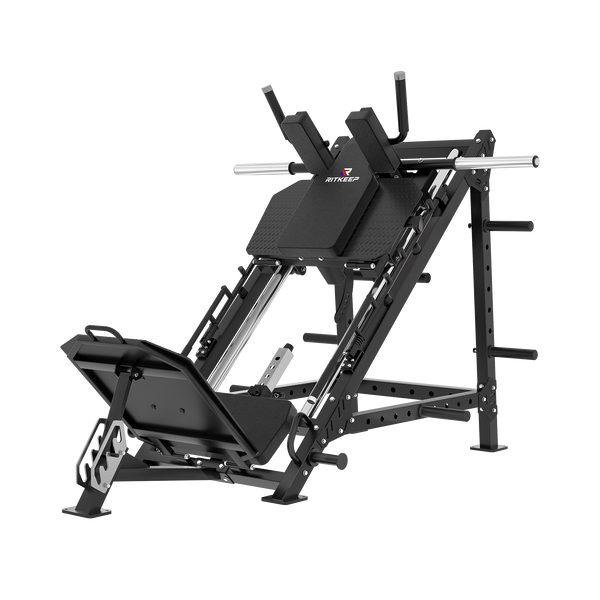
The chest supported t bar row is an absolute powerhouse variation found in most commercial gyms. Utilizing a fixed apparatus with a chest plate, it allows you to load heavy weight safely. A common adjustment for home gyms is looking for a chest supported t bar row alternative, such as using a landmine attachment positioned underneath an incline bench to replicate the exact same arc and mechanical leverage.

Seated Chest Supported Row
Often performed on a specialized pin loaded machine, the seated chest supported row positions the user upright with a pad resting against the sternum. This configuration makes it incredibly easy to drop-set or adjust your grip on the fly to emphasize different sectors of the upper back.

Cable Chest Supported Row
By setting up a bench in front of a functional trainer or cable machine, you can perform a cable-based variation. Cables offer a distinct advantage: constant tension throughout both the contraction and the stretch, giving you a smooth profile that free weights cannot match.

Chest Supported Row Alternative
If you do not have access to a dedicated machine or a configurable incline bench, a smart chest supported row alternative is the seal row (lying completely flat on an elevated flat bench) or a single-arm dumbbell row where your non-working arm and knee brace firmly on a flat bench to support your torso.
Incline Bench Chest Supported Row
This is the classic home gym setup. Known as the chest supported dumbbell row or incline bench row dumbbells, you simply set your adjustable weight bench to an incline. Grabbing a pair of weights allows your arms to move through a natural, unconstrained pathway. Performing dumbbell rows on incline bench setups or a dumbbell chest row variation offers unmatched freedom for your wrists and elbows to rotate naturally.
FAQs
Do chest supported rows work?
Yes, exceptionally well. In fact, for pure muscle hypertrophy of the mid-back and lats, they are often superior to standing variations because mechanical stability allows you to push closer to true muscular failure.
What Angle Should I Use for a Chest-Supported Row?
The ideal sweet spot is between 30 and 45 degrees. A lower angle (30°) targets the lats more effectively, while a higher angle (45° or higher) shifts the focus upward toward the upper traps and rear delts.
How to do chest supported row without a machine?
You can easily perform dumbbell rows on incline bench angles or perform an incline bench row dumbbells setup. If you lack a bench entirely, you can perform an inverted bodyweight row using a barbell set inside a power rack, keeping your body straight and supported by your feet.
Why Does the Chest Supported Row Make It Hard to Breathe?
Because your entire body weight and the counter-force of the load press directly against your sternum and ribcage, it restricts full lung expansion. To counter this, focus on exhaling forcefully during the pulling phase and inhaling as you lower the weight.
Can Chest Supported Rows Replace Barbell Rows?
They can completely replace barbell rows if your goal is pure back isolation or if you suffer from lower back pain. However, conventional barbell rows are still superior for developing overall systemic power and core stability.
Conclusion
The chest supported row deserves a permanent home in your training routine. Whether you are using a chest supported dumbbell row setup on an adjustable bench or leveraging a heavy chest supported t bar row machine, removing your lower back from the equation unlocks unparalleled muscle growth. Focus on driving your elbows, keeping your chest glued to the pad, and pairing it with smart variations to build the strong, thick back you've always wanted.
Reference
- ATHLEAN-X: How To Do The Chest Supported Row: A comprehensive video and article guide by physical therapist Jeff Cavaliere breaking down the exact biomechanics of the thoracic spine and shoulder blades during supported rowing to maximize lat width while preventing shoulder impingement.
- Muscle and Strength: Neutral Grip Chest Supported Dumbbell Row Video Exercise Guide: An excellent visual demonstration walkthrough illustrating the setup, perfect execution cadence, and optimal grip tracking for free-weight incline bench row variations.