







How to do Face Pulls?
If you're looking for one exercise that improves shoulder health, builds stronger upper back muscles, and enhances posture, face pulls deserve a place in your workout routine. Whether you're training for strength, muscle growth, or injury prevention, the face pulls exercise is one of the most effective movements you can perform.
Most lifters focus on chest presses and rows but neglect the rear shoulder muscles. Over time, this imbalance can lead to poor posture, shoulder discomfort, and reduced upper-body performance. Learning proper face pull form helps activate the muscles responsible for shoulder stability while improving pulling strength.
In this guide, you'll learn how face pulls work, how to perform cable face pulls correctly, common mistakes to avoid, and the best variations for every fitness level.
What Are Face Pulls?
Face pulls are a popular resistance exercise that strengthens the muscles of the upper back and shoulders. They are most commonly performed using a cable machine with a rope attachment, but resistance bands can also be used. When performed with a cable, they are often referred to as cable face pulls.
Unlike traditional pulling exercises that mainly target larger back muscles, face pulls focus on the smaller muscles responsible for shoulder stability, posture, and balanced upper-body development. Because many people spend hours sitting or prioritize pressing exercises, these muscles are often overlooked, which can lead to poor posture and shoulder imbalances over time.
Adding face pulls to your training routine helps build stronger, healthier shoulders while improving overall upper-body function. To better understand why this exercise is so effective, let's take a closer look at the face pulls muscles worked during the movement.
What Muscles Do Face Pulls Work?
Many people ask what do face pulls work or what does face pulls target. Although the movement looks simple, face pulls activate multiple muscles throughout the shoulders and upper back. Because their primary focus is on the rear deltoids, they are widely regarded as one of the best rear deltoid exercises for improving shoulder balance, posture, and upper-body stability.

| Primary Muscles Worked | Role During the Exercise |
|---|---|
| Rear Deltoids (rear delts muscle) | The primary muscle worked, responsible for shoulder extension and external rotation. |
| Rhomboids | Retract the shoulder blades and improve posture. |
| Middle Trapezius | Enhance scapular control and upper-back stability. |
| Lower Trapezius | Stabilize the shoulder blades throughout the movement. |
| Rotator Cuff | Improve shoulder stability and help reduce the risk of injury. |
| Posterior Deltoid (back deltoid) | Assist in pulling and shoulder stabilization. |
Among all the face pulls muscles worked, the rear deltoids receive the greatest activation. That's why face pulls are commonly referred to as a rear delt exercise and are considered one of the most effective movements for building stronger rear shoulders, improving posture, and creating balanced shoulder development. They are often recommended as good rear delt workouts for any well-rounded upper-body program.
How to Do Face Pulls (6 Steps)
Step 1: Set Up the Cable
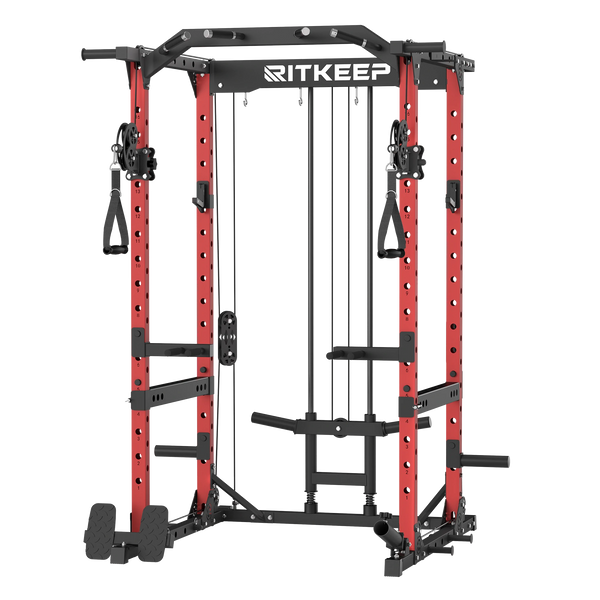
Attach a rope handle to a cable machine at approximately upper chest or face height. Stand a few feet back so the cable remains under constant tension throughout the movement. This is the standard setup for cable face pulls.
Step 2: Choose Your Grip
Grip the rope with either an overhand or underhand grip. The overhand grip is the standard choice for face pulls, while the underhand grip offers a slightly different pulling angle and may feel more comfortable for some lifters.
Step 3: Find Your Stance and Lean Back
Stand with your feet shoulder-width apart. Maintain a slight lean backward to improve balance while keeping your core engaged. Avoid excessive arching of your lower back.
Step 4: Pull Toward Your Face
Initiate the movement by pulling your elbows backward rather than simply pulling with your hands. Separate the rope face pulls as it approaches your face. Keep your elbows high and aligned with your shoulders.
Step 5: Hold and Squeeze at the Peak
Pause for one second when the rope reaches eye level. Actively squeeze your shoulder blades together while fully contracting your rear delts. This is where proper face pulls form really matters.
Step 6: Control the Return and Maintain Form
Slowly extend your arms back to the starting position. Don't allow the weight stack to drop suddenly. Maintaining control throughout the eccentric phase increases muscle activation and reinforces proper face pulls form.
Face Pulls Form Tips & Common Mistakes to Avoid
Proper technique is far more important than lifting heavy weight. Mastering face pulls form helps maximize muscle activation while reducing unnecessary stress on the shoulders and neck. Focus on controlled movement and quality repetitions rather than chasing heavier loads.
Form Tips
1. Lead with your elbows.
Pull your elbows back instead of your hands to better engage the rear delts and upper back.
2. Keep your shoulders down.
Avoid shrugging to prevent your upper traps from taking over.
3. Separate the rope at the finish.
Pull the rope ends apart to increase rear delt and rotator cuff activation.
4. Control every rep.
Pause briefly at the top and lower the weight slowly.
5. Use moderate weight.
If you have to swing your body, reduce the load.
Common Mistakes & How to Fix Them
| Mistake | How to Fix It |
|---|---|
| Using momentum | Lower the weight and keep your torso stable. |
| Shrugging your shoulders | Keep your shoulders down and away from your ears. |
| Pulling to your chest | Pull the rope toward your nose or forehead instead. |
| Leaning back too much | Maintain only a slight lean with your core engaged. |
| Dropping your elbows | Keep your elbows at shoulder height throughout the movement. |
These mistakes reduce activation of the rear delts muscle and place unnecessary stress on the shoulders.
Face Pull Variations
Choose Your Stance: Standing or Seated Face Pulls
Standing face pulls engage your core and improve overall stability. Seated face pulls reduce lower-body involvement, making them ideal for isolating the upper back.
Choose Your Grip: Overhand vs. Underhand
An overhand grip is the standard option for most lifters. An underhand grip slightly changes shoulder rotation and may feel more comfortable for individuals with limited mobility.
Cable Face Pull or Banded Face Pulls
Both exercises are effective, but they offer different benefits. Cable face pulls provide constant resistance throughout the movement, while banded face pulls are portable, affordable, and beginner-friendly.
| Variation | Best For | Advantages | Progressive Overload | Equipment Needed |
|---|---|---|---|---|
| Cable face pulls | Strength training | Constant resistance throughout the movement | Easily adjustable via weight stack for gradual load increase | Cable machine + rope attachment |
| Banded face pulls | Home workouts | Portable, affordable, beginner-friendly | Progress by using thicker bands or increasing distance from anchor point | Resistance band + anchor point |
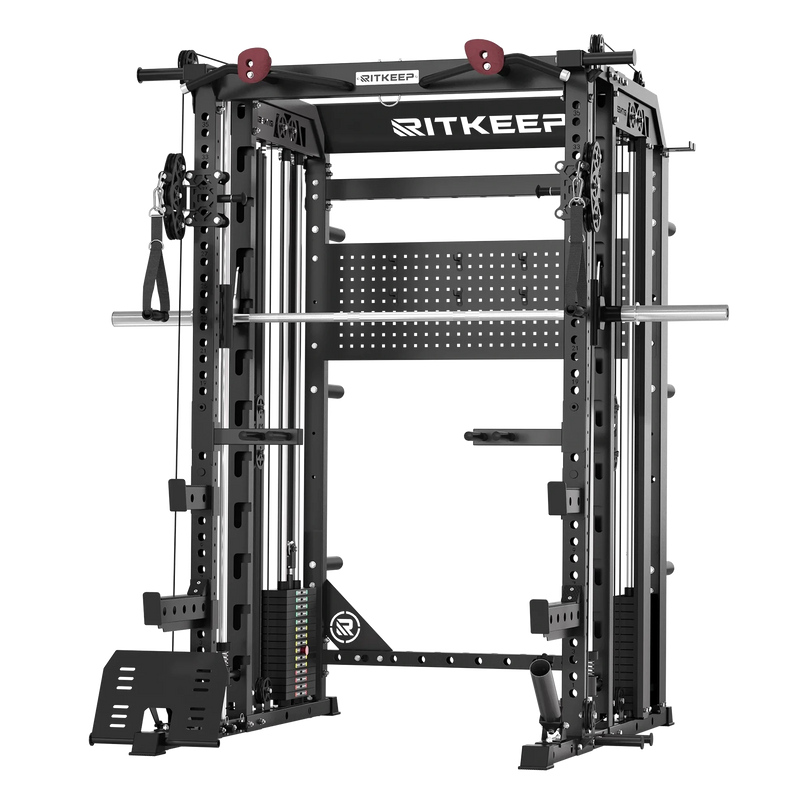
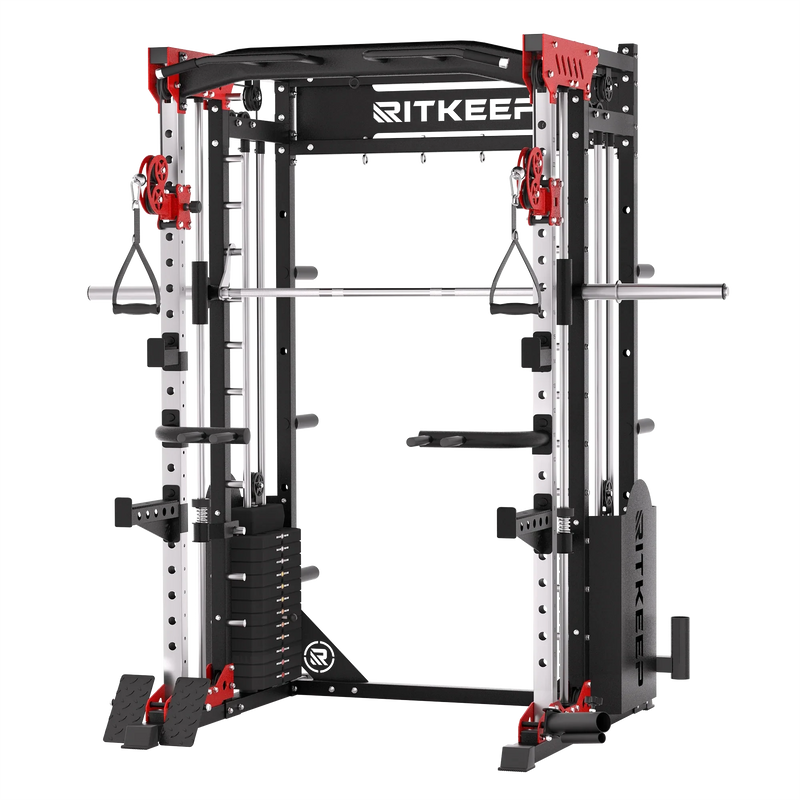
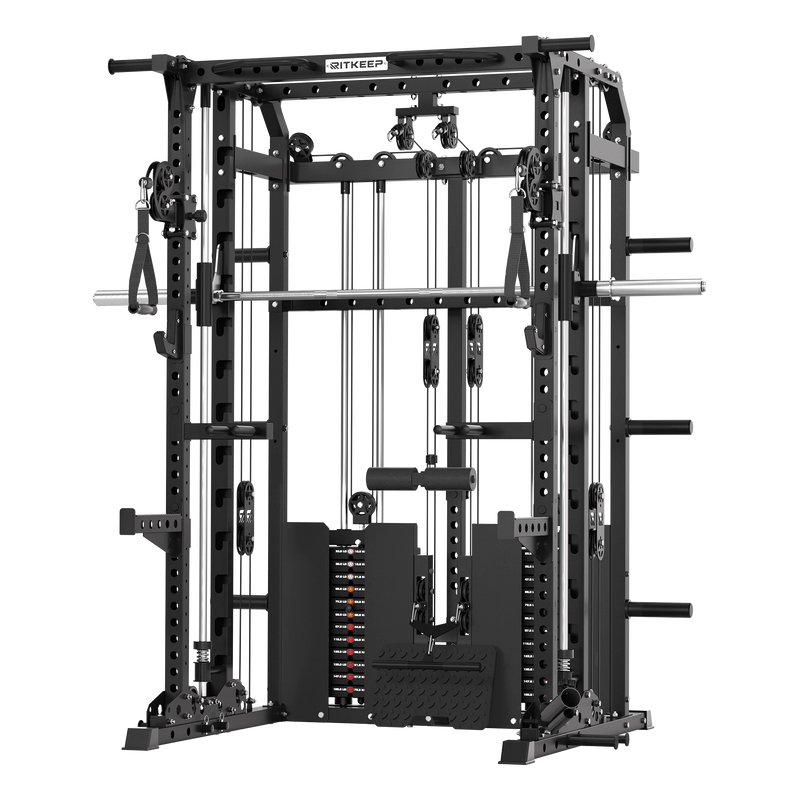
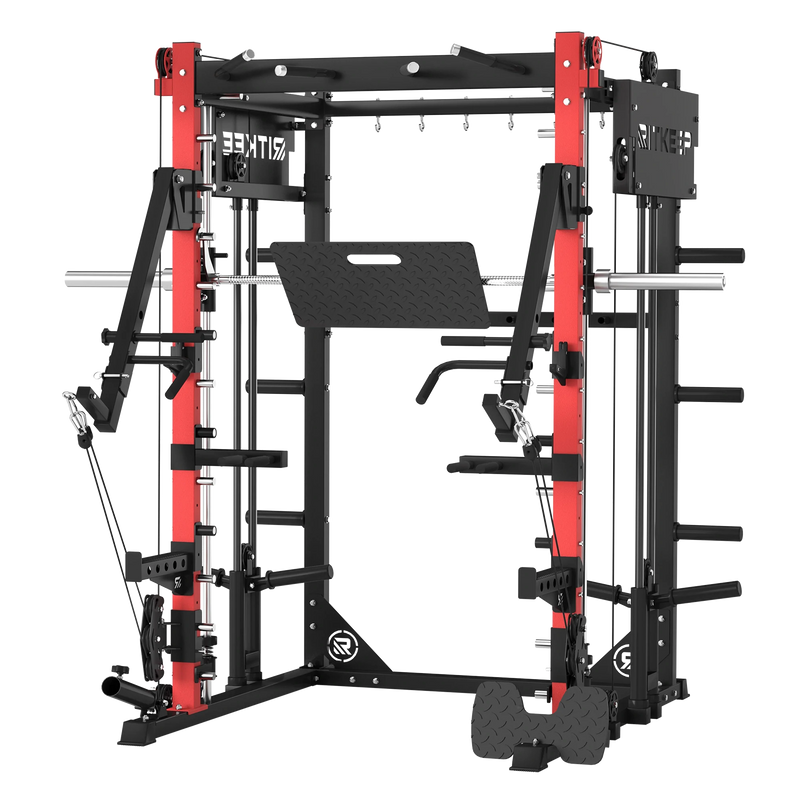
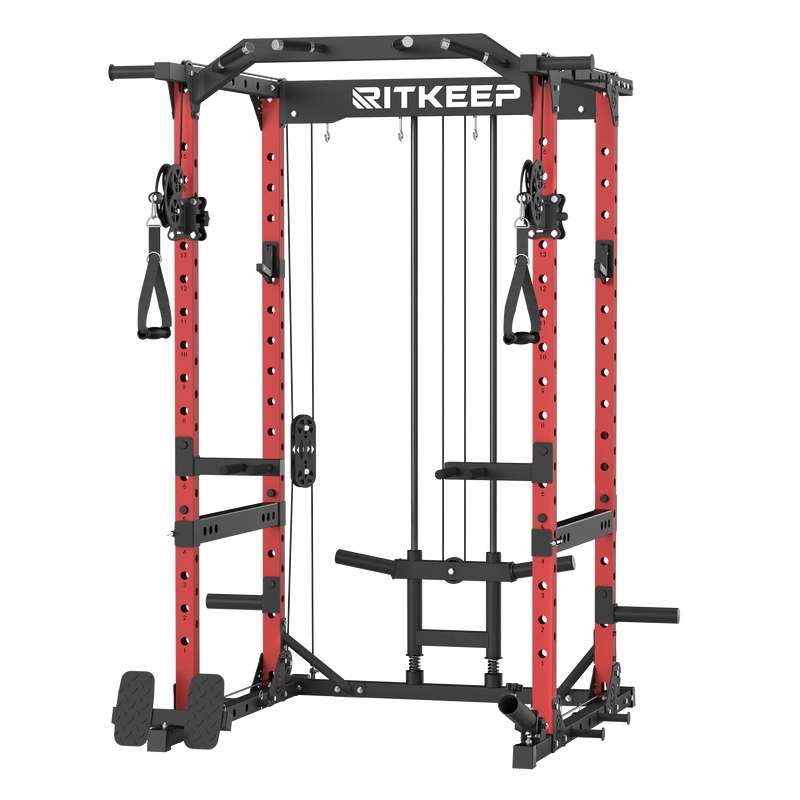
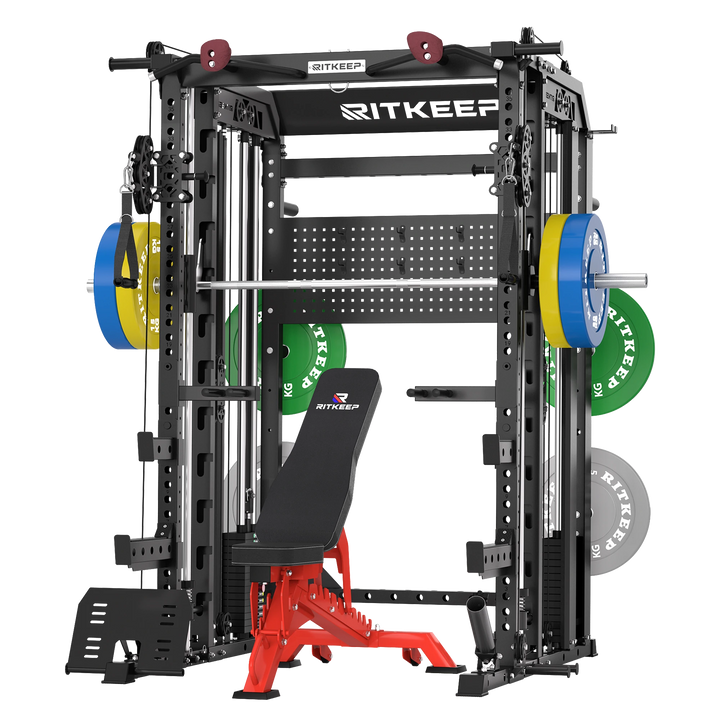
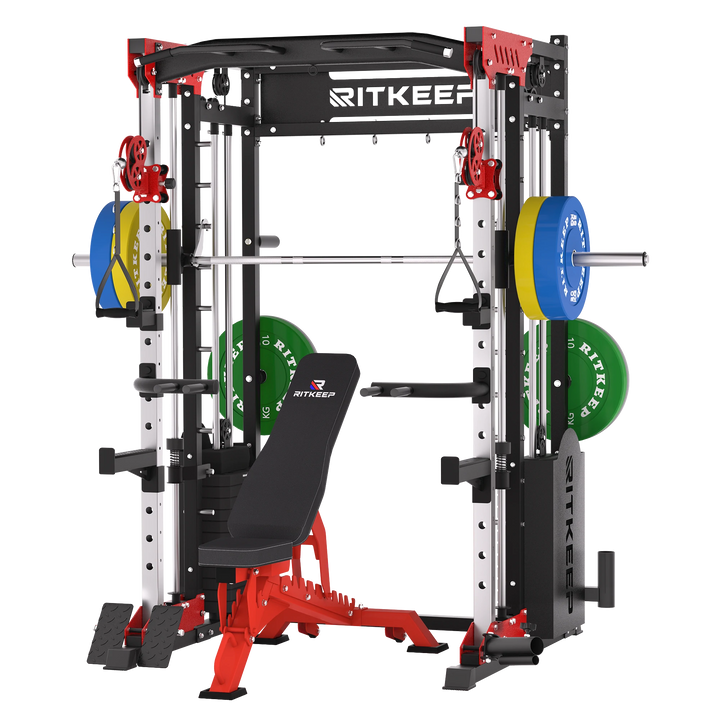
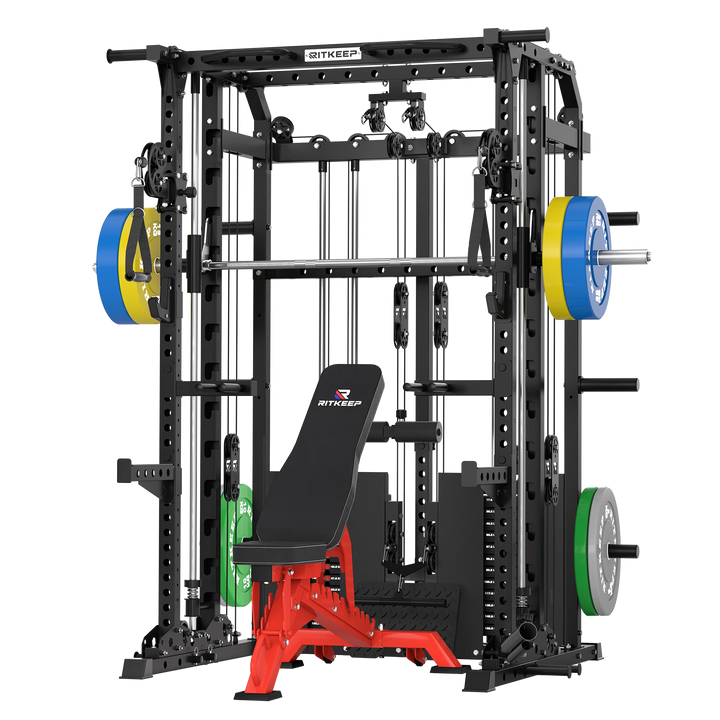
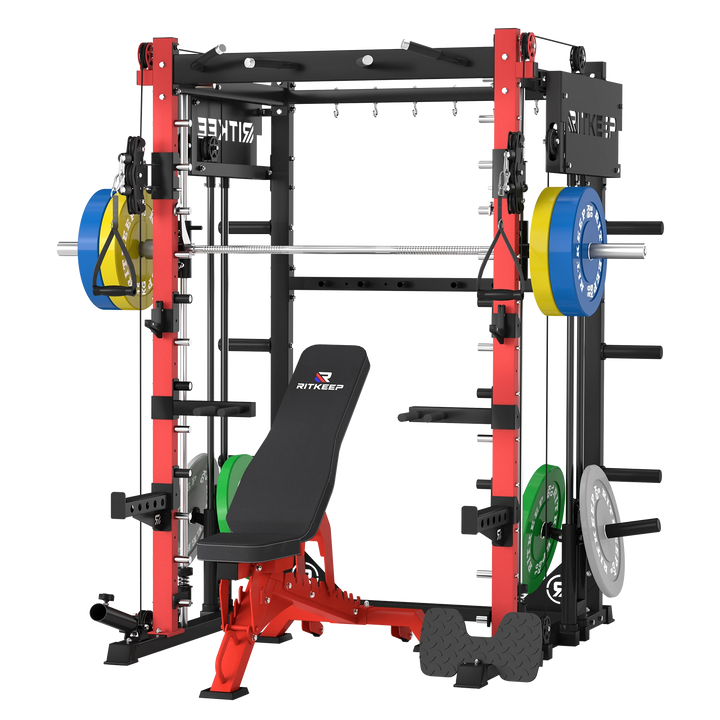
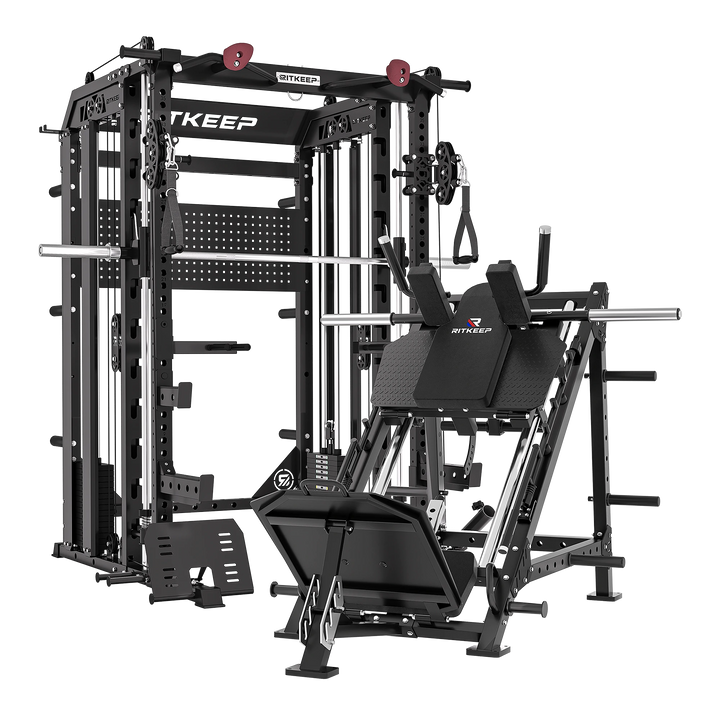
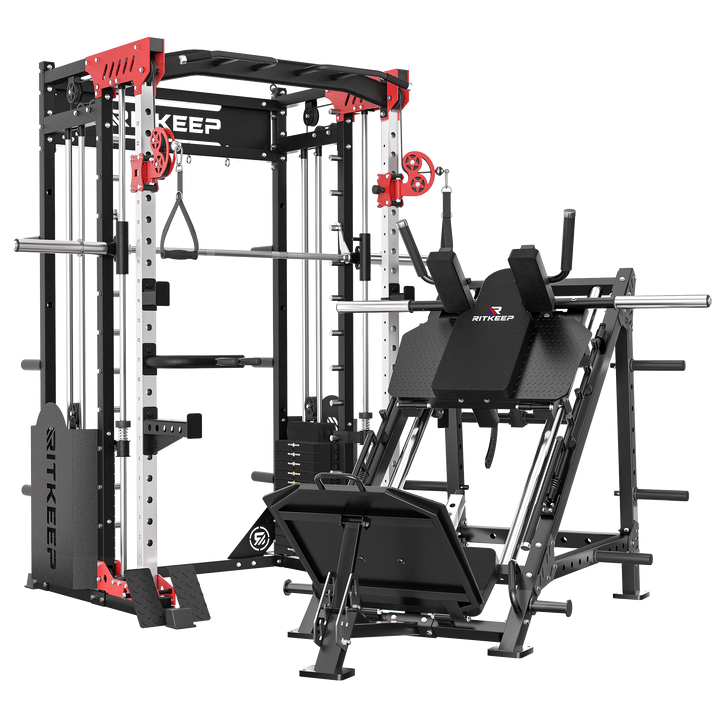
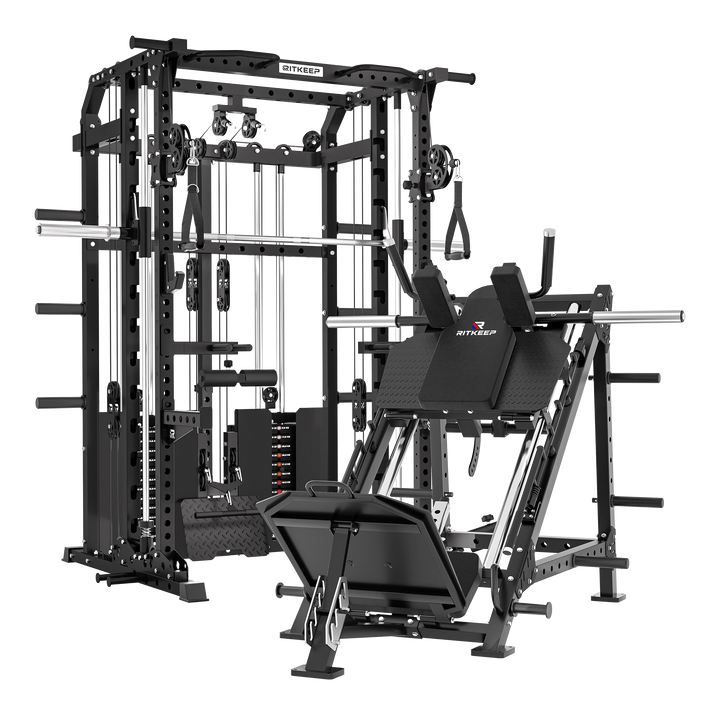
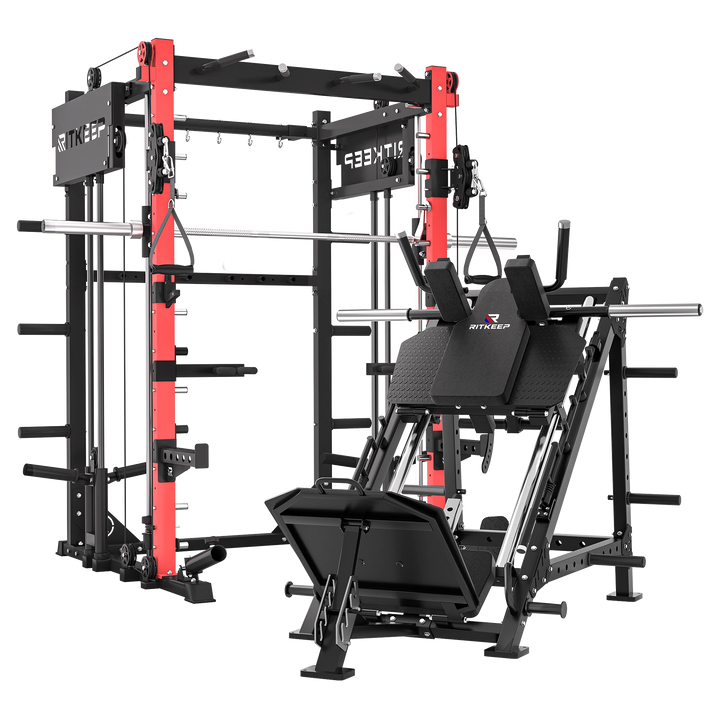
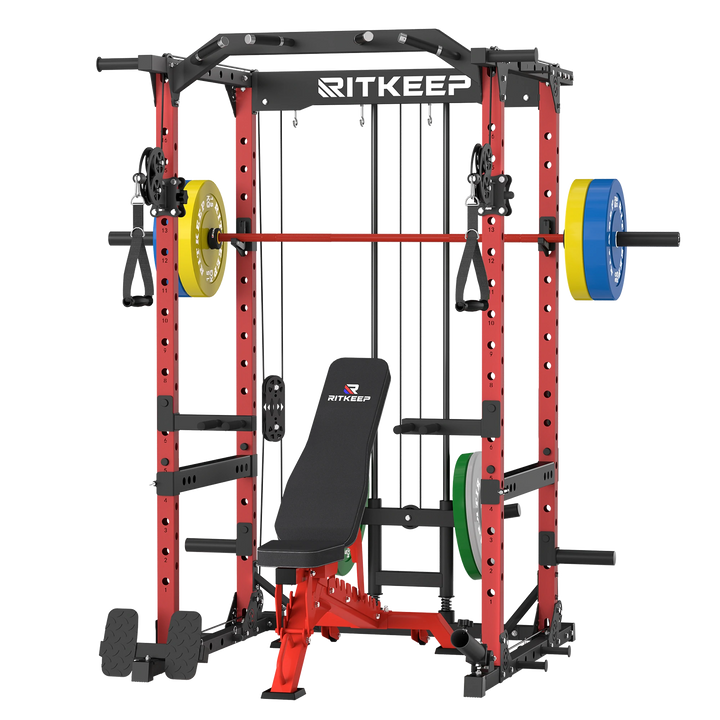
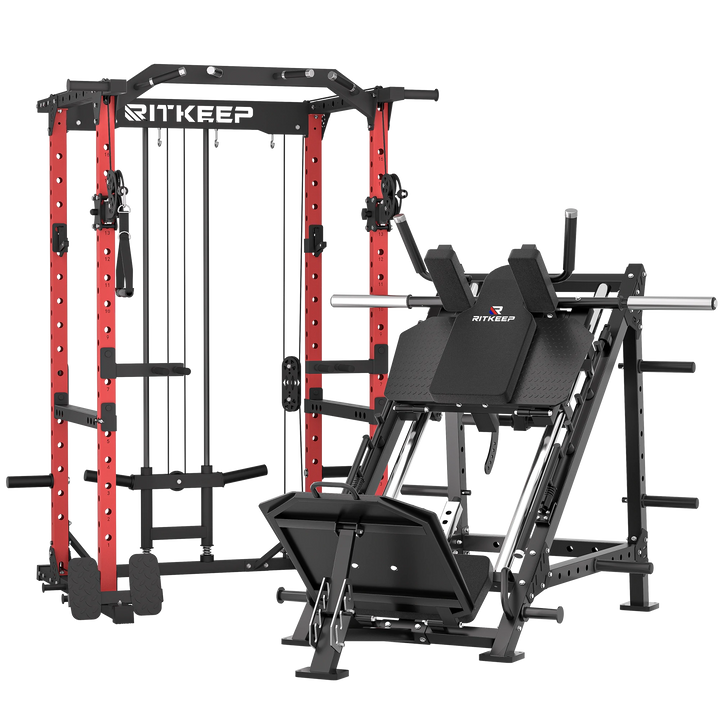
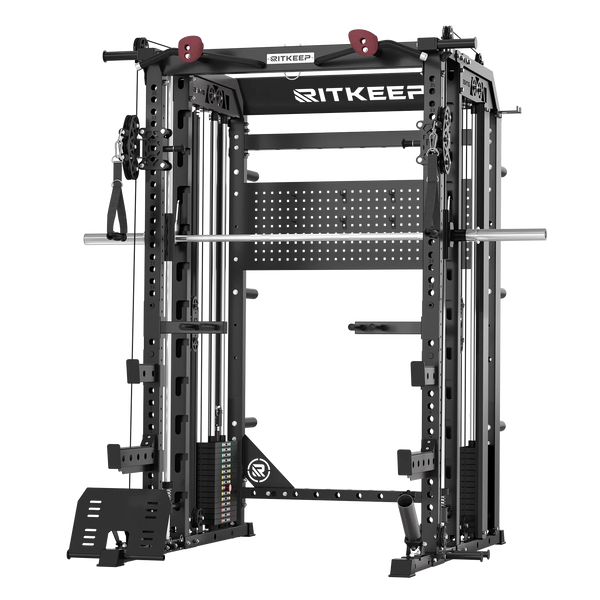
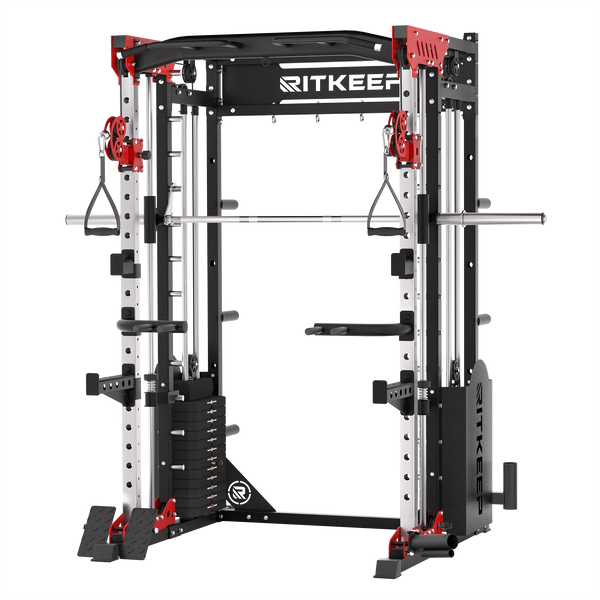
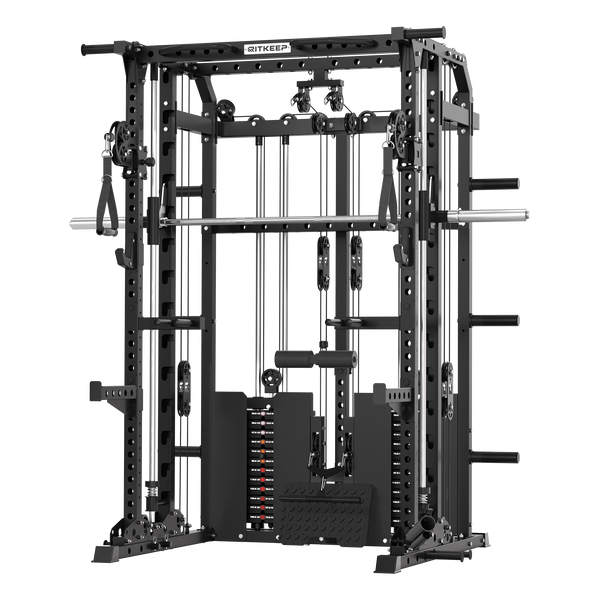
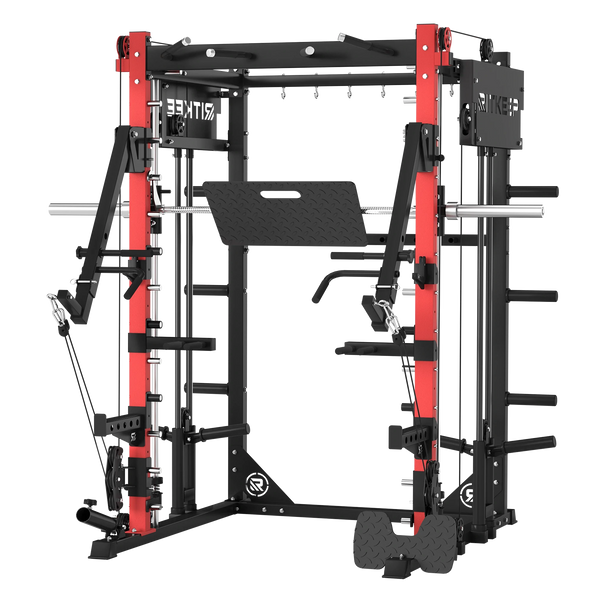
If you have access to a functional trainer, cable machine, or power rack with pulley system, cable face pulls generally provide better resistance and progression. If you're training at home, banded face pulls are a great alternative.
How to Add Face Pulls to Your Strength Workout
Because face pulls don't heavily fatigue your central nervous system, they fit well into almost any training split.
Here are some recommendations:
- Upper Body Day: 3–4 sets × 12–15 reps
- Pull Day: Finish your workout with face pulls
- Shoulder Day: Pair with lateral raises
- Push Day: Perform after pressing movements to improve shoulder balance
For most people, training face pulls two or three times per week is sufficient.
FAQ
1. Are face pulls for shoulders or back?
Both. Face pulls primarily target the rear shoulders while also strengthening the upper back muscles, including the rhomboids and trapezius.
2. Are face pulls good for rotator cuff injury?
They can strengthen the rotator cuff and improve shoulder stability. However, if you're recovering from an injury, consult a healthcare professional before adding them to your program.
3. Am I Supposed To Lean Back On Face Pulls?
A slight lean is acceptable, but excessive leaning turns the exercise into a rowing movement and reduces rear delt activation.
4. How Heavy Should Face Pulls Be?
Choose a weight that allows perfect control for 12–15 repetitions. Focus on muscle contraction rather than maximum load.
5. How Often Should I Do Face Pulls?
Two to three sessions per week is ideal for most lifters.
6. Are Face Pulls Really That Good?
Absolutely. Few exercises improve posture, shoulder stability, and rear deltoid development as effectively as face pulls. They are widely recommended by strength coaches and physical therapists for maintaining healthy shoulders and balanced upper-body strength.
References
- Men's Health. Bulletproof Your Shoulders and Back With Face Pulls. — Provides practical guidance on proper face pull technique, common mistakes, and the benefits for shoulder strength and posture.
- Healthline. How to Do Face Pulls With and Without a Machine. — Explains how to perform face pulls using both cable machines and resistance bands, with tips on form, muscle activation, and exercise variations.
- Muscle & Fitness. Face Pulls—Done Right—Can Be An Essential Shoulder Exercise for Muscle Health & Strength. — Explains proper face pull technique, programming tips, and common mistakes while highlighting its role in improving shoulder health, posture, and upper-back strength.