


How to Master the Cable Crossover Exercise for a Bigger Chest
When it comes to building a sculpted, powerful chest, most fitness enthusiasts automatically head straight for the bench press. While heavy compound lifts are great for building overall mass, they often leave a gap in total chest development. That is where the cable crossover comes in.
Unlike free weights, where the tension drops off at the top of the movement, using a crossover machine provides constant tension throughout the entire range of motion. In this ultimate guide, we will break down exactly how to master this movement, explore the best setup for your home gym, and look at how to maximize your gains using versatile cable crossover equipment.
Why the Cable Crossover Machine Is So Effective for Chest Growth
To understand why the cable crossover machine is a staple in bodybuilding, you have to look at the physics of muscle resistance. When you perform a dumbbell flye, the resistance is fighting gravity. At the top of the movement, when your hands are directly above your shoulders, the tension on your pectorals drops to almost zero.
Constant Tension for Maximum Hypertrophy
The cable system solves this issue completely. Because the resistance is guided by a pulley and cable system, the tension remains horizontal or diagonal, directly opposing the contraction of your chest. This means your chest is under intense load during the stretch, the mid-range, and—most importantly—the peak contraction where you squeeze your hands together.
Better Mind-Muscle Connection
Cables isolate the pectorals by reducing the recruitment of secondary stabilizers like the triceps. This isolation allows you to focus purely on the contraction of the chest, leading to better metabolic stress and micro-tears necessary for muscle hypertrophy.
To effectively target your chest with cable crossover equipment, you need to understand how the pectoral muscles are structured. The pectoralis major is divided into three main regions:
- Clavicular Head (Upper Chest): The fibers run downward and outward from the collarbone. To target them, you need to bring your arms from a low position to a high position.
- Sternocostal Head (Mid-Chest): The largest portion of the chest. It is best stimulated by pressing or flying straight across the torso horizontally.
- Abdominal Head (Lower Chest): The fibers run upward and outward. To target this area, the movement must travel from a high position down toward the hips.
By adjusting the pulley height on your machine, you can change the angle of resistance to prioritize any of these three regions during your cable crossover chest routine.
How to Properly Do Cable Crossovers for Chest
Executing this movement with poor form not only robs your chest of growth but also places dangerous stress on your anterior deltoids and rotator cuffs. Here is a step-by-step breakdown of how to properly do cable crossovers.
Step 1: The Setup
Set the pulleys to your desired height (for a standard middle chest fly, set them at shoulder height). Attach a pair of D-handles to the cables. Grasp the handles, step forward into the center of the machine, and adopt a staggered stance (one foot forward, one foot back) for maximum stability.
Step 2: The Body Position
Lean your torso forward slightly from the hips (about 15° to 20°). Keep your core tight, chest proud, and shoulders retracted (pulled back and down). Your elbows should have a slight, fixed bend—think of hugging a large tree trunk.
Step 3: The Execution
Inhale as you allow the cables to pull your arms back, stretching your pectorals. Stop when your elbows align with your torso. Exhale as you bring your hands together in a wide arcing motion. Focus on bringing your biceps together rather than just touching your hands. Squeeze your chest hard at the peak contraction for 1 second, then slowly return to the starting position.
Cable Crossover High to Low vs. Low to High: Which Is Best for You?
Depending on your weakness in chest development, you will want to alternate your pulley setups. Choosing the right variation helps balance your pectoral aesthetics.
Cable Crossover Chest High to Low
By placing the pulleys above your head and bringing the handles down toward your waist, you perform a cable crossover chest high to low movement. This variation perfectly aligns with the muscle fibers of the lower chest, helping you build that defined, crisp lower pectoral line.

Cable Crossover Low to High
Conversely, setting the pulleys at the lowest point of the track and bringing your hands up and together in front of your chin targets the upper chest. If your upper chest lacks fullness beneath the collarbone, this variation should be your priority.

Cable Crossover Variations & Equipment Compatibility
| Exercise Variation | Primary Target Area | Setup & Movement Guide | Compatible RitKeep Models |
|---|---|---|---|
| Cable Crossover Chest High to Low | Lower Pectorals (Abdominal Head) | Set pulleys at the highest position; bring D-handles down and together toward the waist. | Destroyer M10 Power Rack, PMAX 5600 Smith machine, Anvil S1 Smith machine, PMAX 4750 Smith machine, Nimitz N1 Smith machine |
| Cable Crossover Low to High | Upper Pectorals (Clavicular Head) | Set pulleys at the lowest point; scoop hands upward and together in front of the chin. | |
| Standard Cable Crossover | Mid-Chest (Sternocostal Head) | Position pulleys at shoulder height; fly horizontally across the torso in a wide hugging motion. | |
| Single Cable Chest Workout | Inner Chest & Peak Contraction | Use a single pulley track; pull one handle completely across the body's midline for unilateral isolation. |
Sample Cable Chest Workouts (Beginner to Advanced)
Whether you have access to a commercial gym or a versatile home gym pulley setup, here are two sample routines to implement immediately.
The Beginner Routine (Focus on Control)
- Standard Cable Crossover (Mid Pulley): 3 sets x 12 reps (1-minute rest)
- High-to-Low Cable Crossover: 3 sets x 15 reps (Focus on the stretch)
The Advanced Routine (High Volume & Angles)
- Cable Crossover Chest High to Low: 4 sets x 10-12 reps
- Low-to-High Cable Crossover: 4 sets x 12-15 reps
- Single Cable Chest Workout (Isolated Press-arounds): 3 sets x 12 reps per side. Utilizing a single cable chest workout allows you to bring your arm completely across your body's midline, achieving a level of contraction that is physically impossible with two hands or free weights.
Explore More Strength Training Tools
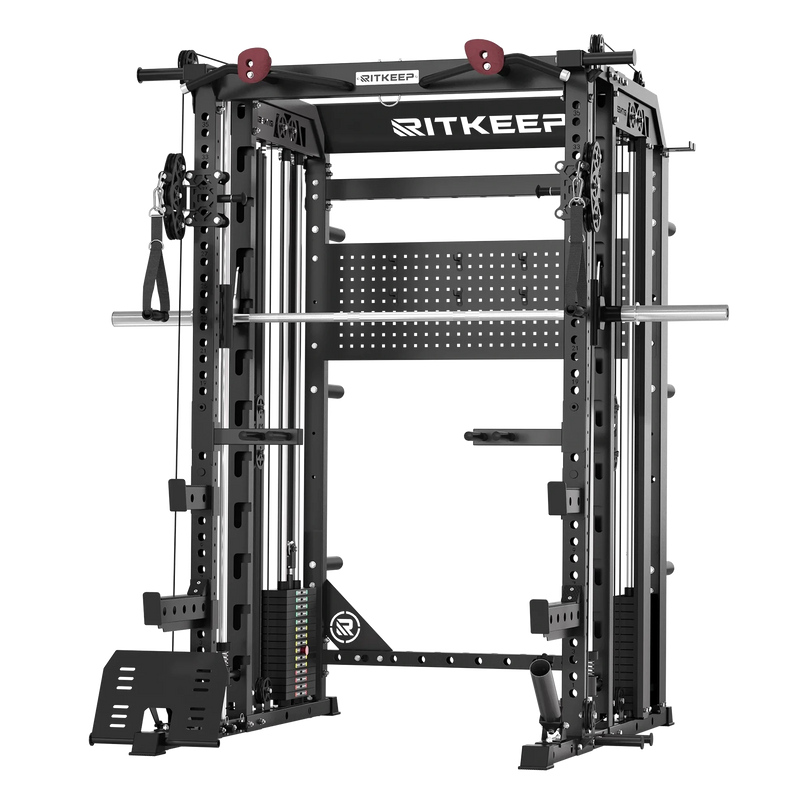
For many fitness enthusiasts, the dream is to have a dedicated cable crossover machine at home. However, traditional commercial units require massive floor space and only serve one purpose.
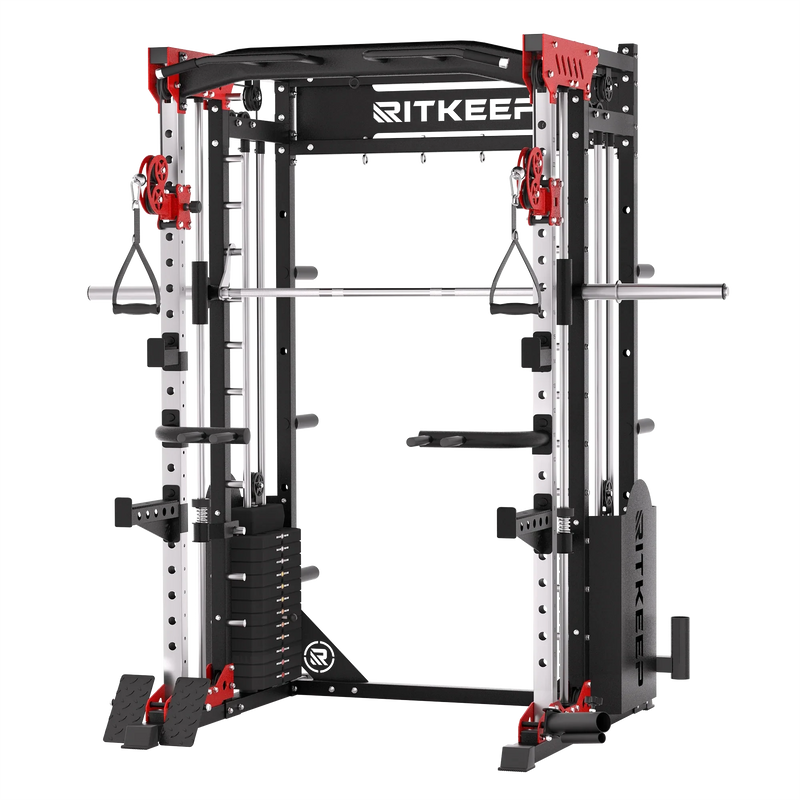
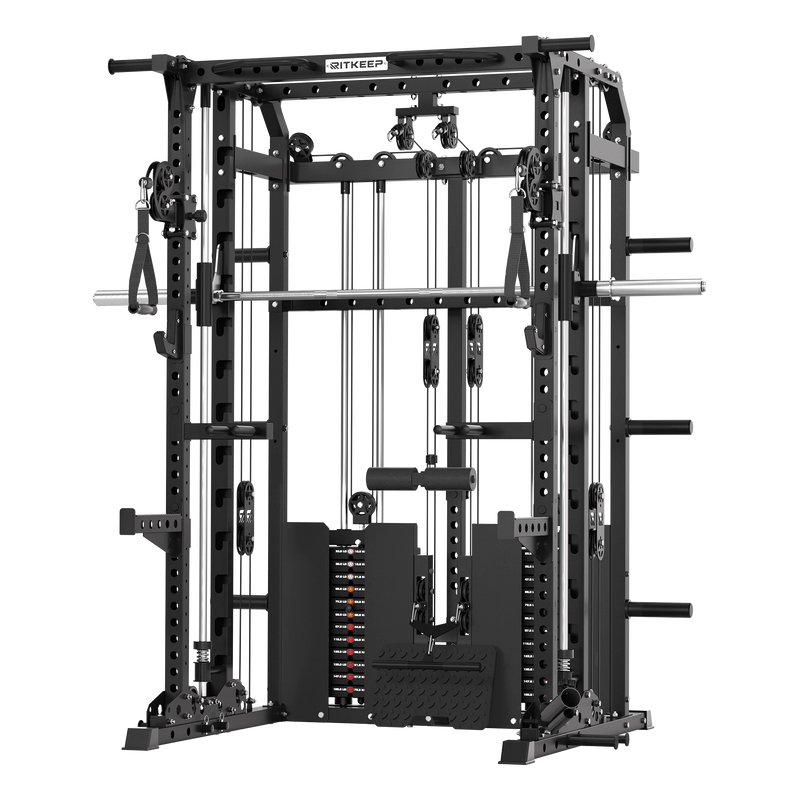
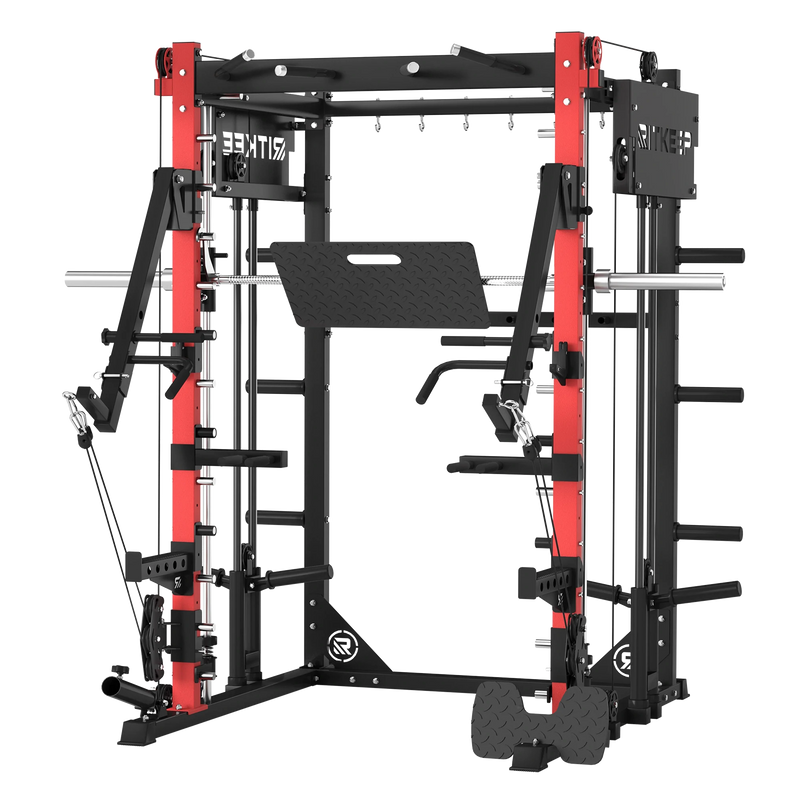
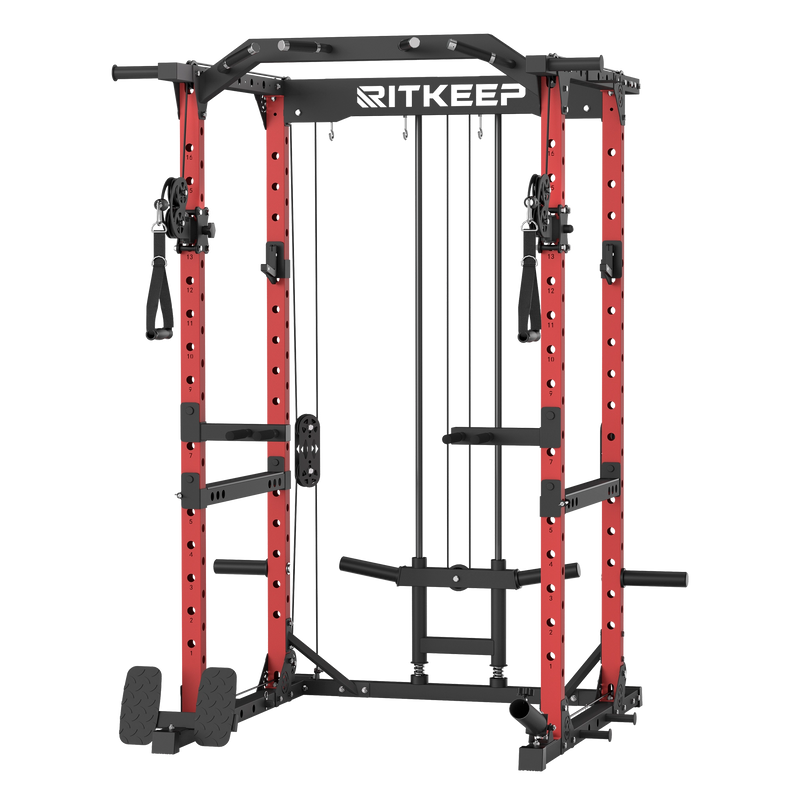
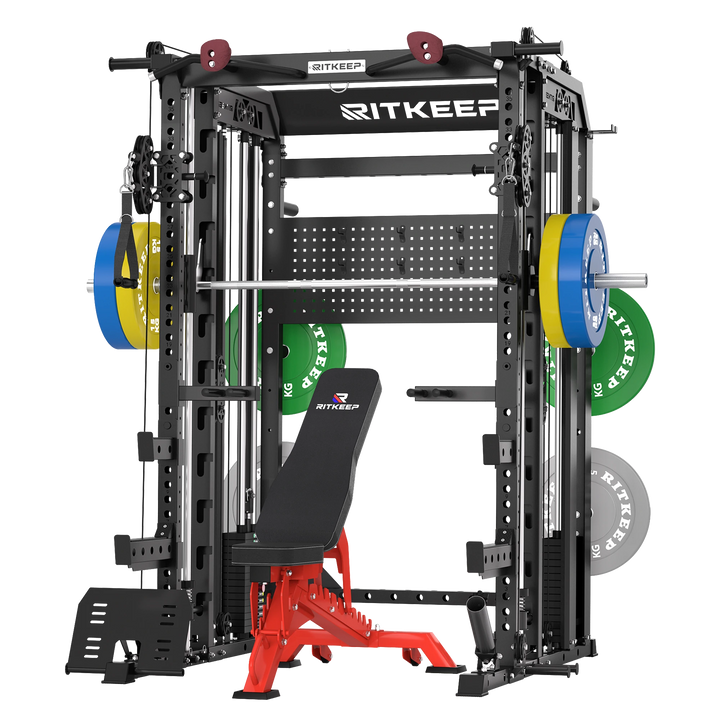
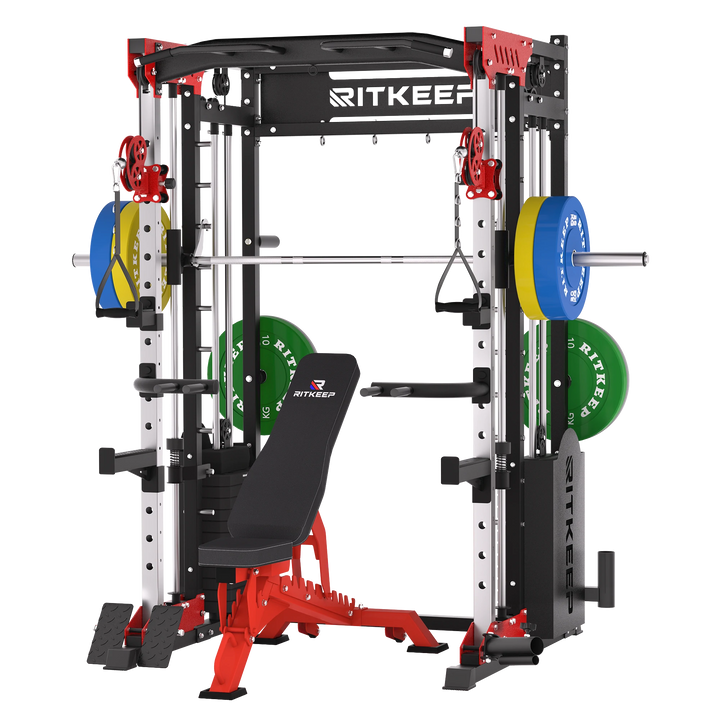
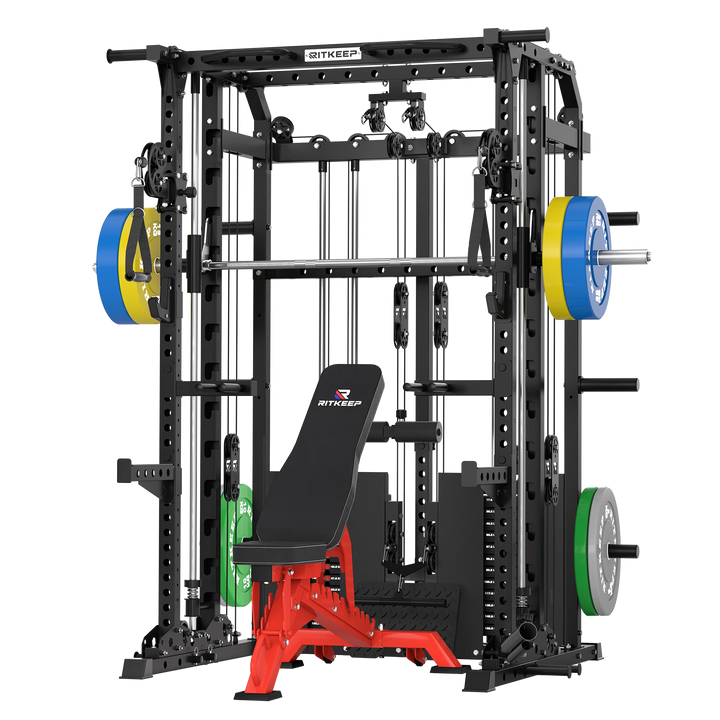
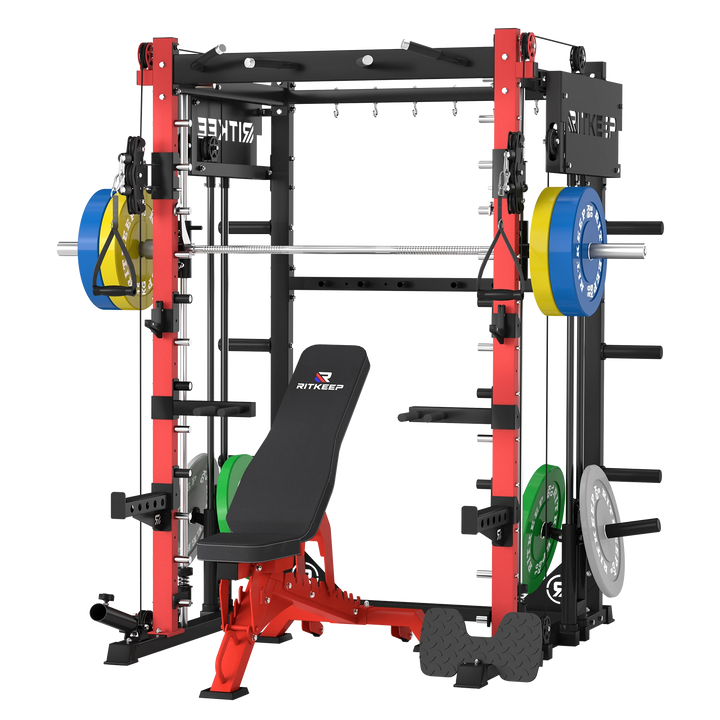
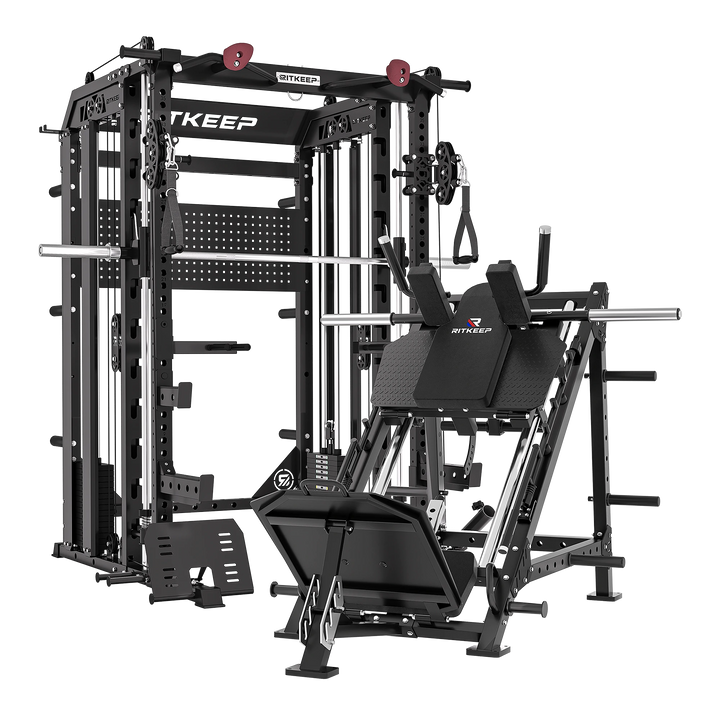
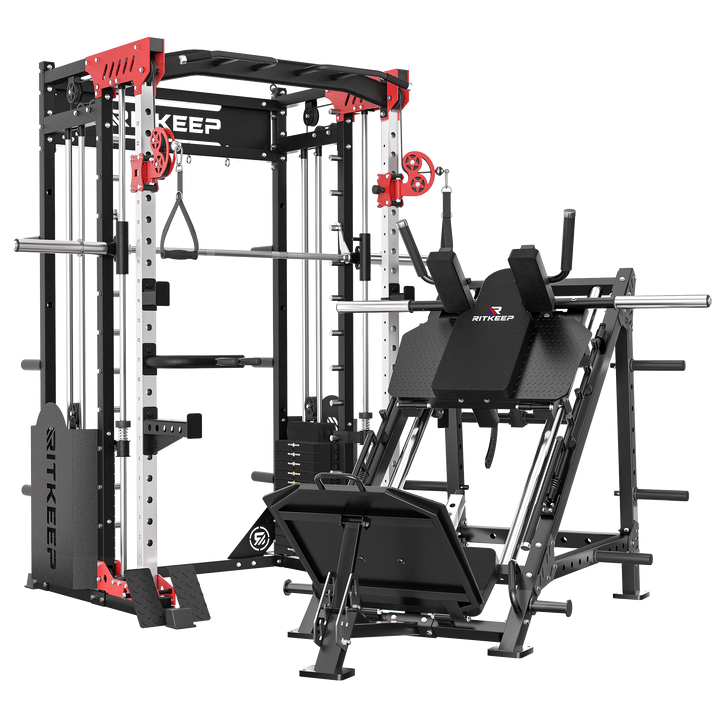
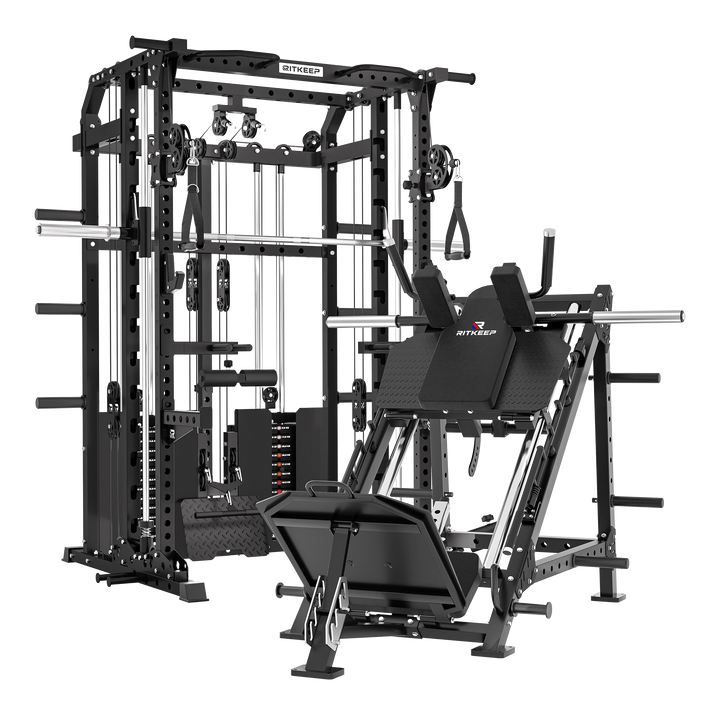
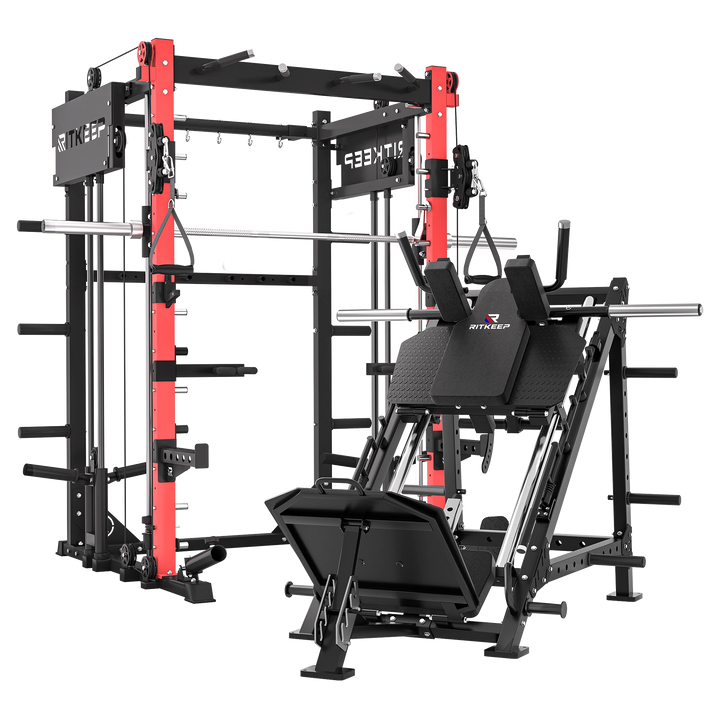
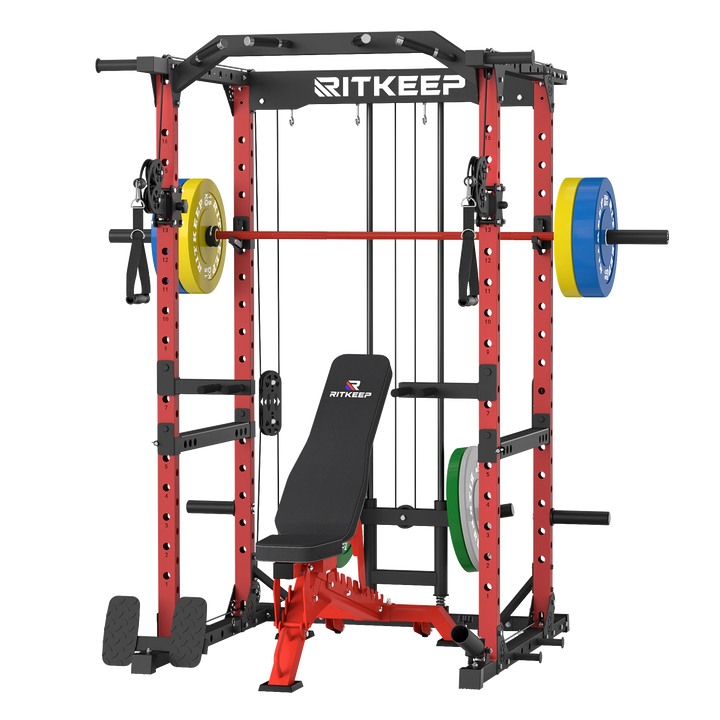
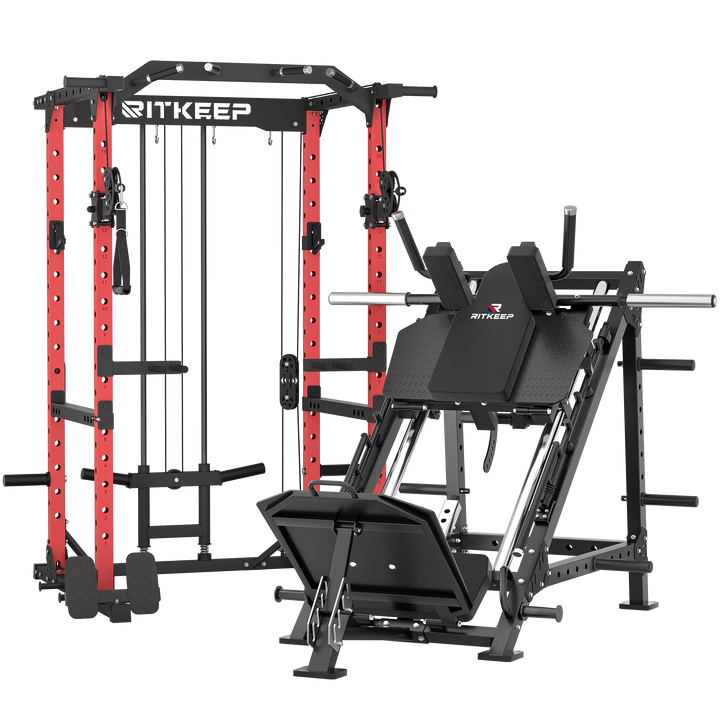
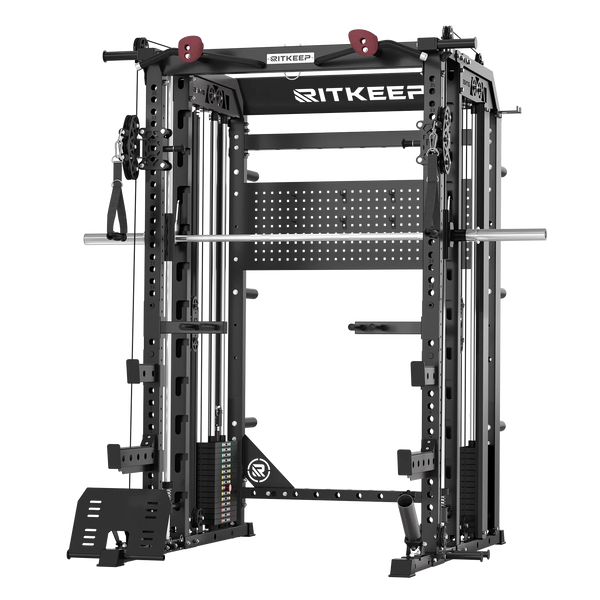
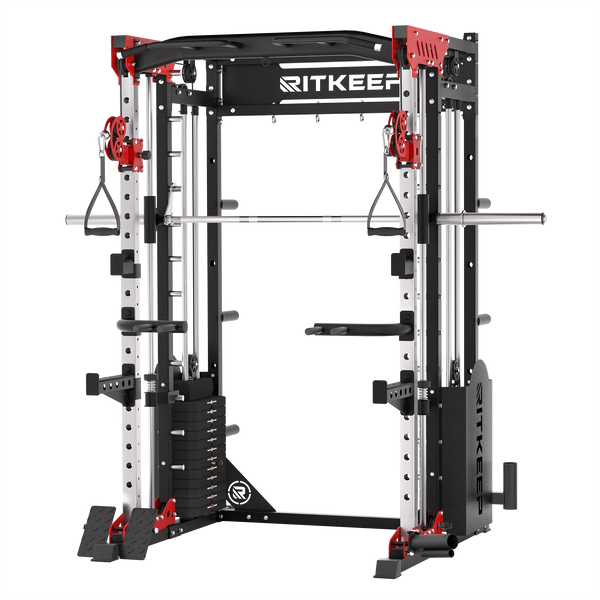
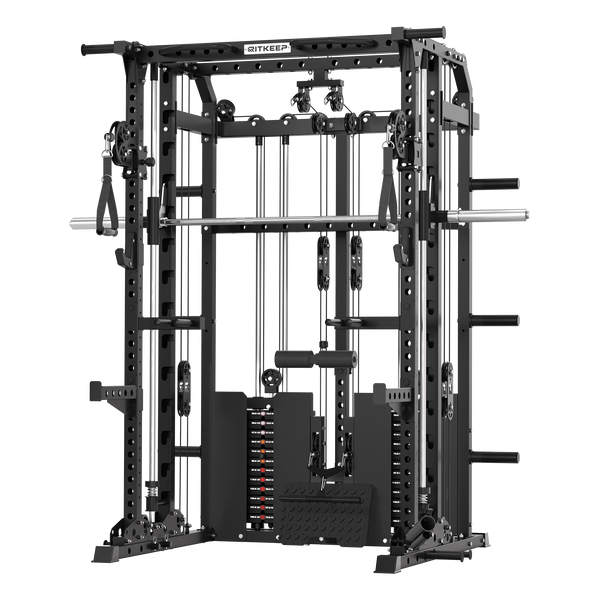
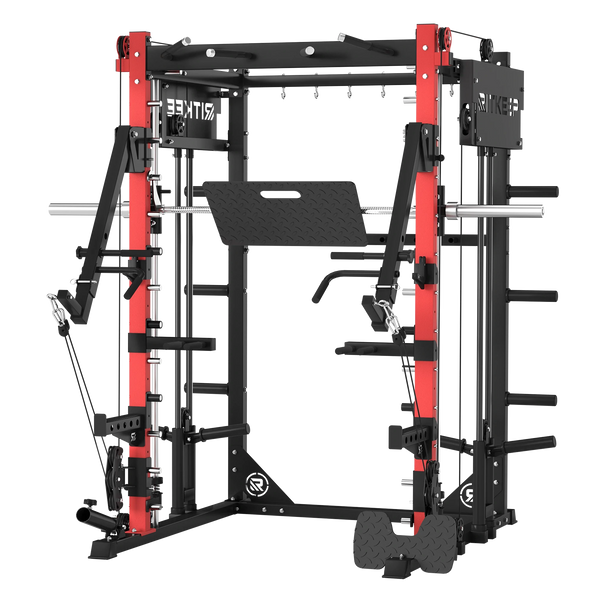
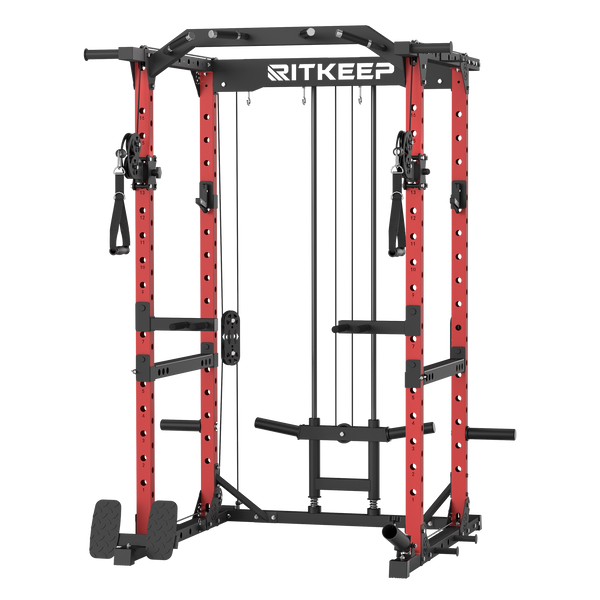
The modern solution for home gyms is a multi-functional power rack with an integrated pulley system. Whether you choose the ultra-heavy-duty RitKeep Destroyer M10 power rack with pulley system, the versatile PMAX 4750 Smith Machine with switchable 1:1 and 2:1 pulley ratios, the space-saving Anvil S1 Smith machine with 140kg rear weight stack, or the PMAX 5600 150kg weight stack machine and Nimitz N1 Counterbalanced All-in-one Smith machine, all of these setups come equipped with advanced, dual-adjustable pulley systems.
Instead of cluttering your garage with a commercial-sized machine, these all-in-one stations allow you to seamlessly transition from heavy barbell squats to a high-to-low crossover routine on a single piece of cable crossover equipment—saving you thousands of dollars and maximizing premium space.
FAQ
How often should I train chest with cables?
For optimal results, include them 2 to 3 times a week at the end of your chest or push-day workouts as a finishing isolation movement. Because cables cause less joint strain than heavy free weights, they are excellent for adding training volume without overtaxing your recovery.
Are cables better than dumbbells for flyes?
Yes. Dumbbells lose all tension at the top of the movement when your arms are vertical. A crossover machine maintains continuous resistance against your pectoral muscles from the deep stretch all the way to the peak contraction.
Can beginners use a cable crossover machine?
Absolutely. The guided path of the pulley system makes it easier for beginners to learn proper movement mechanics and develop a strong mind-muscle connection before moving to heavy free weights.
How long until I see results?
With consistent training 2 to 3 times a week and a proper diet, you can expect to see noticeable improvements in chest pump and muscle fullness within 4 to 6 weeks. Significant structural muscle growth typically becomes visible around 12 weeks.
Do I need heavy weight for cable work?
No. Cable flyes are an isolation movement designed for squeezing the muscle, not for lifting maximum weight. Focus on controlled tempos, a deep stretch, and a hard 1-second squeeze at the center rather than how heavy the weight stack is.
What handles are best for cable crossovers?
Standard nylon D-handles are the most versatile and comfortable choice. All RitKeep multi-functional trainers (like the Destroyer M10 and PMAX 5600) include premium D-handles for free, allowing your wrists to rotate naturally through the movement arc.
Conclusion
Mastering the cable crossover is one of the fastest ways to take your chest development to the next level. By understanding your anatomy and shifting between high-to-low and low-to-high variations, you ensure no muscle fibers are left untrained. Best of all, with modern multi-functional trainers like RitKeep's power cage lineups, you don't need a commercial gym membership to achieve professional-grade results right in your own home gym.